

Disclosure: This post contains Amazon affiliate links. As an Amazon Associate, we may earn a commission from qualifying purchases, at no extra cost to you.
2026 has turned out to be one of the most competitive years in smartphone history. Apple finally gave the Pro Max a real thermal overhaul, Samsung leaned into “smart over spec-heavy” with the S26 Ultra, and Google quietly built the best camera software on any phone with the Pixel 10 series. Meanwhile, OnePlus, OPPO, and Samsung’s foldable line proved that “flagship” no longer has to mean $1,200+.
We rounded up seven standout phones covering every budget and use case — from the ultimate camera flagship to the best phone under $500. Here’s what actually matters about each one, and where to grab it.
1. Apple iPhone 17 Pro Max — Best Overall Flagship
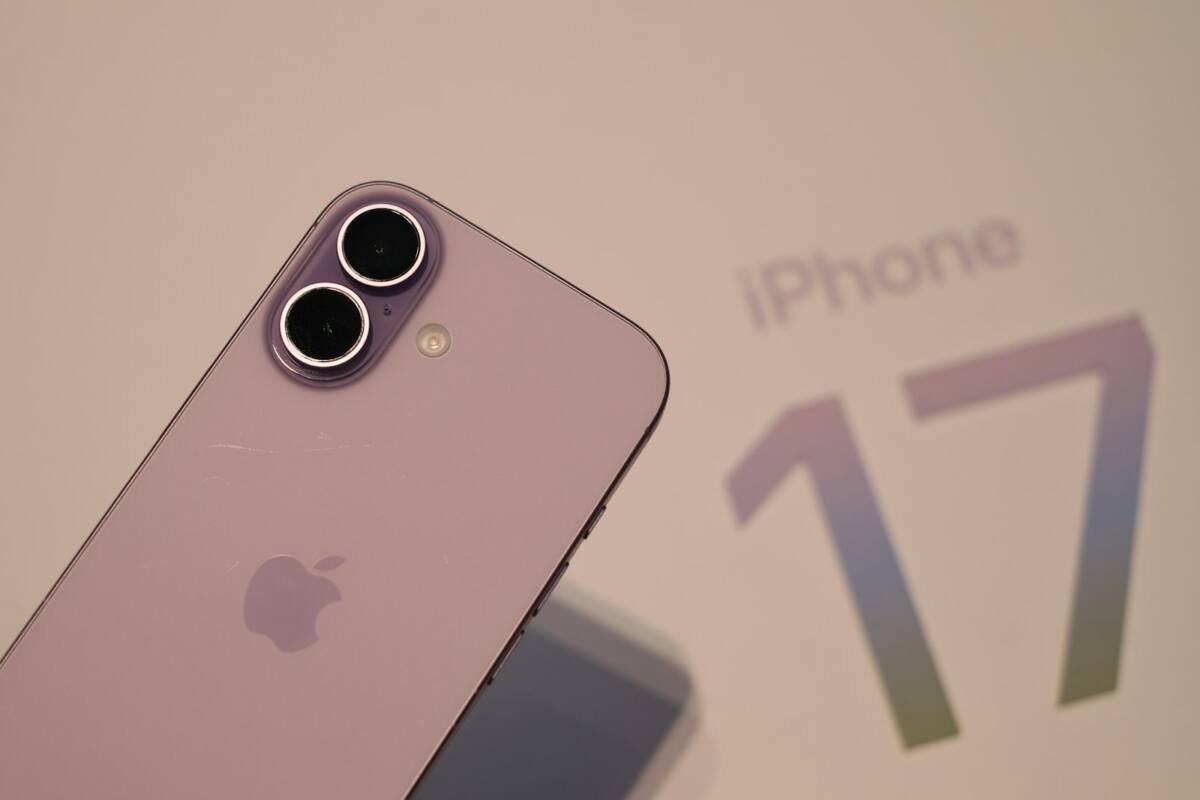
The iPhone 17 Pro Max is Apple’s biggest Pro redesign in years. It moved to a heat-forged aluminum unibody with a genuine vapor chamber cooling system, which means the A19 Pro chip can actually sustain peak performance during long gaming or camera sessions instead of throttling. The 6.9-inch display, all-48MP triple camera system with true 8x optical-quality zoom, and the longest battery life of any iPhone to date make it the safest “just get the best one” pick on this list.
- 6.9″ Super Retina XDR display, Dynamic Island, Always-On
- A19 Pro chip with vapor chamber cooling
- Triple 48MP rear cameras, 8x optical-quality zoom, 18MP Center Stage front camera
- 12GB RAM, storage up to 2TB
- Starts around $1,199 (256GB)
Best for: anyone deep in the Apple ecosystem who wants the best camera, display, and battery life iPhone has ever shipped.
2. Samsung Galaxy S26 Ultra — Best Android Flagship
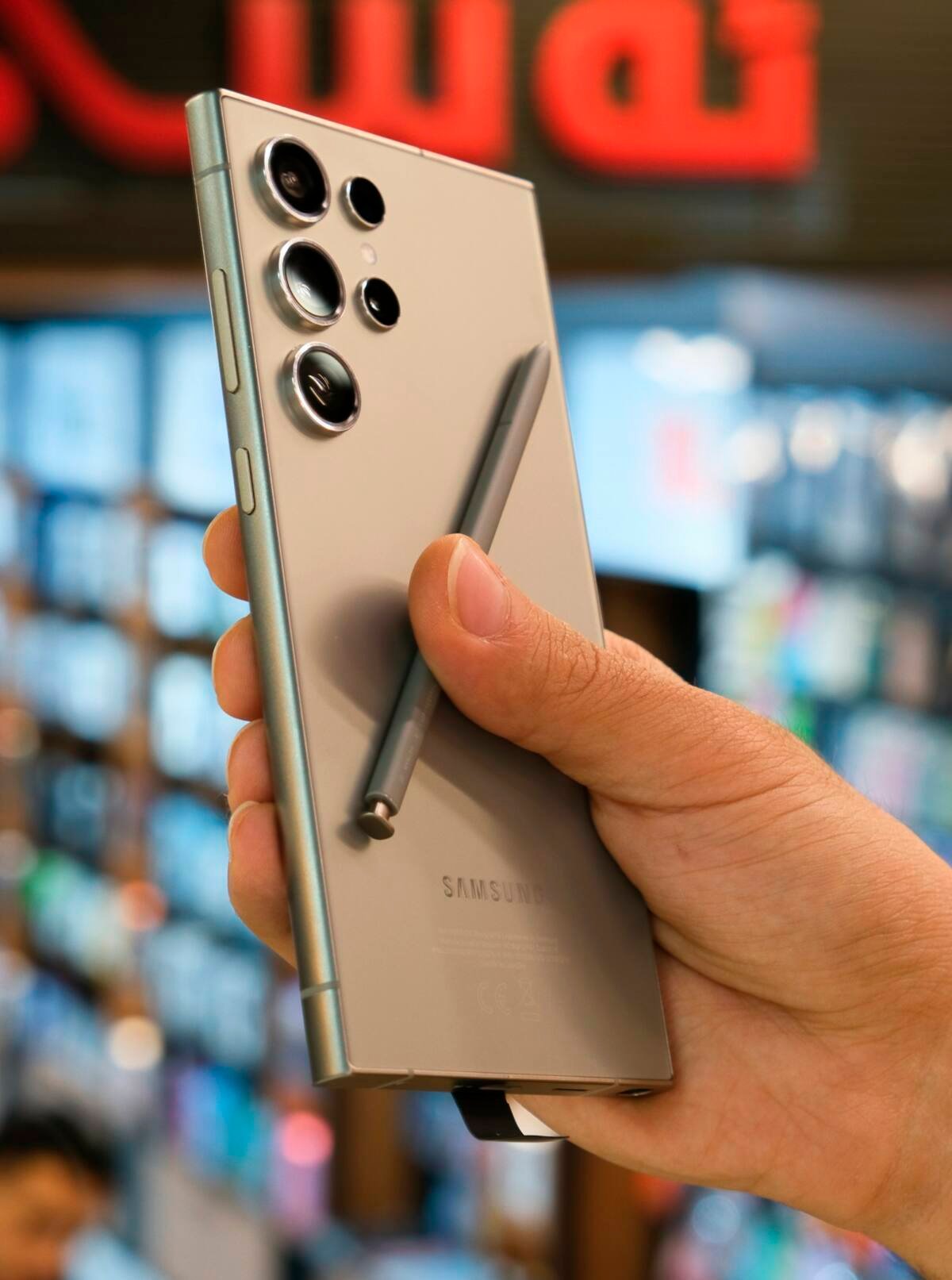
Samsung shifted strategy with the S26 Ultra: instead of chasing raw hardware specs, it leans hard into software efficiency and genuinely useful AI. The standout feature is the new Privacy Display, which restricts the viewing angle on demand so seatmates and coworkers can’t glance at your screen. Under the hood, the Snapdragon 8 Elite Gen 5 for Galaxy delivers a big CPU uplift over last year, and the redesigned vapor chamber cooling keeps things running smoothly even under heavy use.
- 6.9″ QHD+ display with on-demand Privacy Display mode
- Snapdragon 8 Elite Gen 5 for Galaxy, Adreno 840 GPU
- 5,000mAh battery, 60W wired charging
- 12GB–16GB RAM, up to 1TB storage
- Starts around $1,299 (256GB)
Best for: Android users who want the most complete package — S Pen included, great cameras, and genuinely useful AI features rather than gimmicks.
3. Google Pixel 10 Pro XL — Best Camera & AI Software
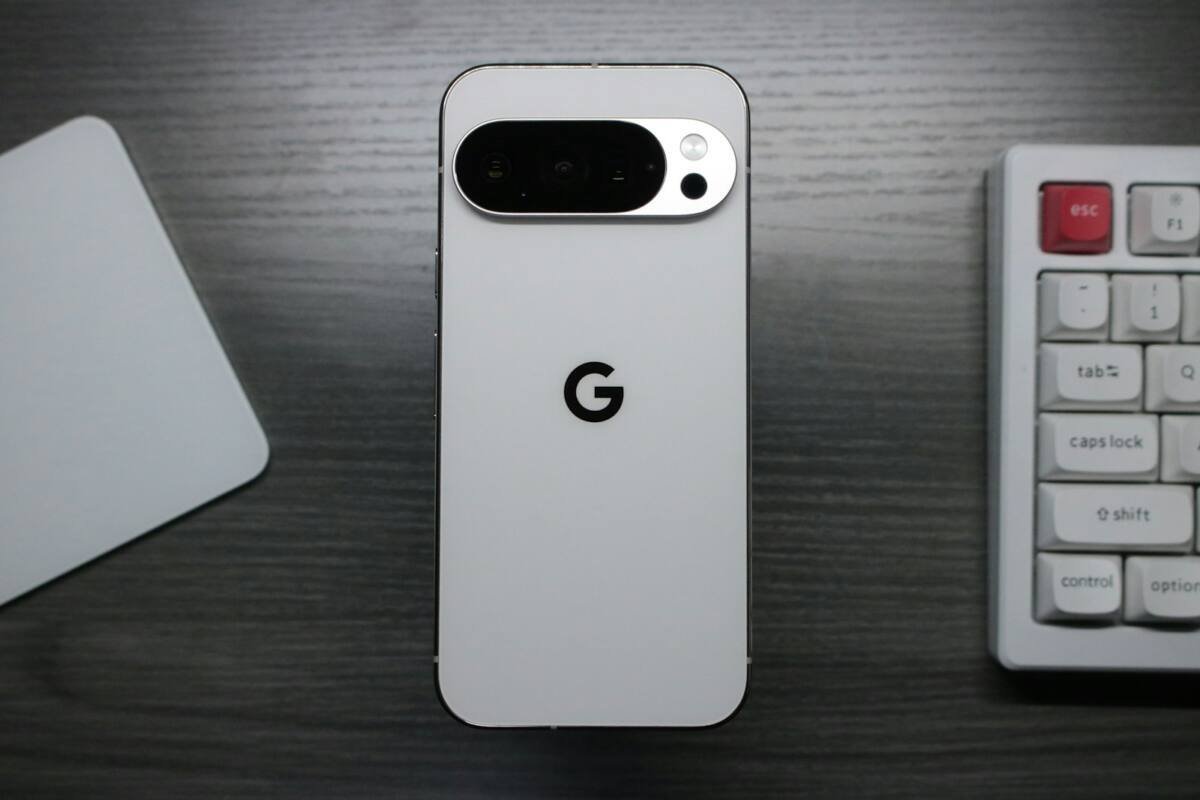
Nobody does computational photography like Google, and the Pixel 10 Pro XL pushes it further with Pro Res Zoom — the largest AI imaging model Google has ever put on a phone, delivering genuinely usable detail up to 100x zoom. Pair that with the new Tensor G5 chip, a full year of Google AI Pro included, and 7 years of guaranteed OS and security updates, and this is the phone to buy if you want the absolute best photos with the least amount of effort.
- 6.8″ display, Tensor G5 chip
- 50MP wide + 48MP ultrawide + 48MP 5x telephoto (Pro Res Zoom up to 100x)
- 16GB RAM, 5,200mAh battery, ultrafast wired charging
- 7 years of OS, security, and feature updates
- Starts around $1,199 (256GB)
Best for: photography-first users and anyone who wants Gemini AI baked deeply into the camera, calls, and everyday tasks.
4. OnePlus 15R — Best Value Flagship-Killer
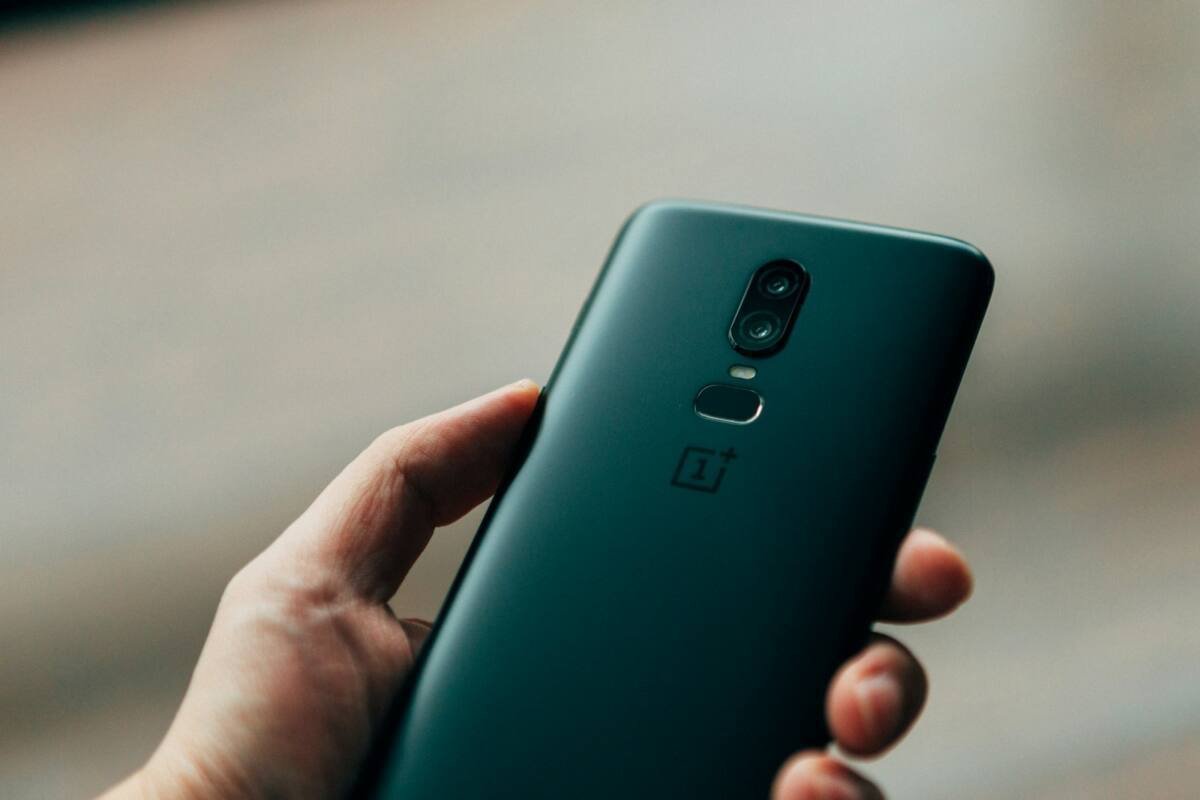
The OnePlus 15R is proof you don’t need to spend flagship money to get flagship performance. It runs the same Snapdragon 8 Gen 5 chip you’ll find in phones twice its price, paired with a massive 7,400mAh battery and a fast 165Hz AMOLED display built for gaming. Camera performance takes a back seat here — there’s no telephoto lens — but for anyone prioritizing raw speed, battery life, and screen quality over photography, it’s hard to beat at this price.
- 6.83″ AMOLED, 165Hz refresh rate, 1,800 nits peak brightness
- Snapdragon 8 Gen 5, 12GB–16GB RAM
- 7,400mAh battery, 80W wired fast charging
- IP69K rating, ultrasonic in-display fingerprint sensor
- Starts around $699
Best for: gamers and power users who want near-flagship performance without the near-flagship price tag.
5. OPPO Find X9 Ultra — Best Camera Hardware
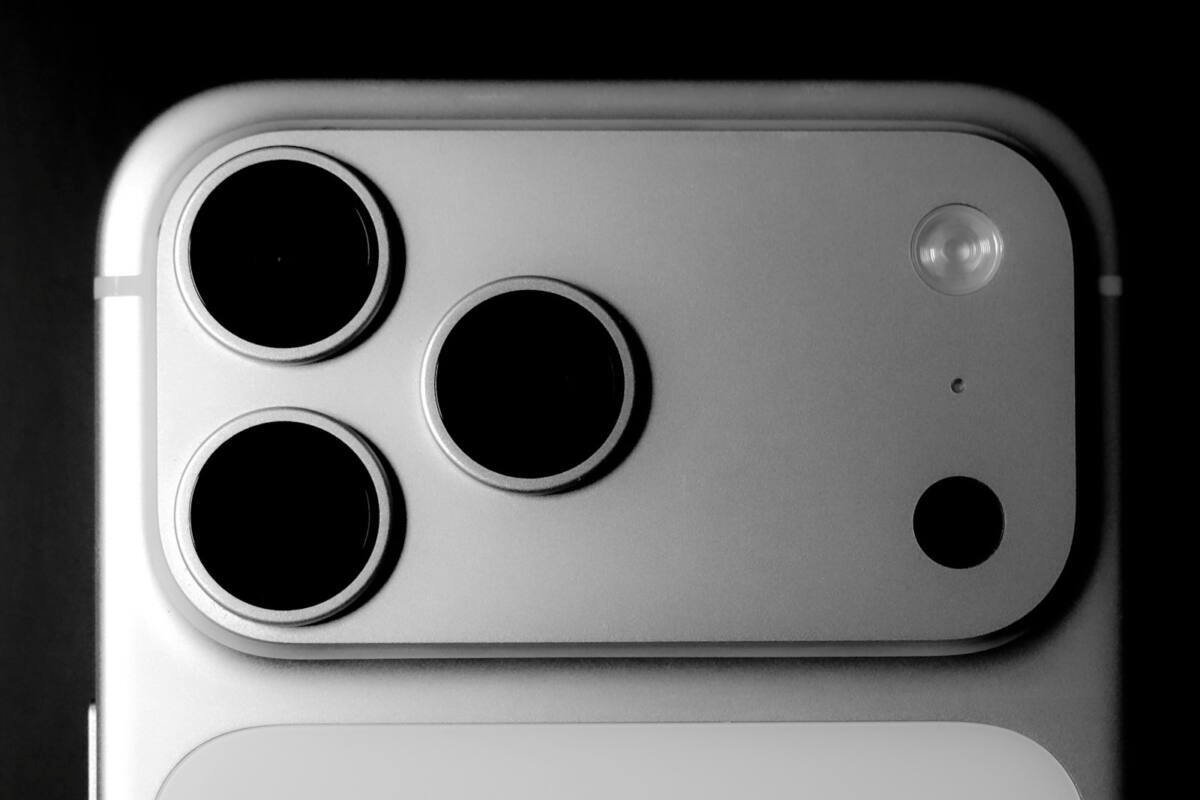
If the Pixel 10 Pro XL wins on AI processing, the Find X9 Ultra wins on pure camera hardware. OPPO markets this phone less as a smartphone and more as “your next camera” — and the spec sheet backs that up, with two 200MP sensors (a large 1/1.12″ main sensor plus a 3x telephoto) built alongside Hasselblad color science. The 6.82″ LTPO display hits a blistering 3,600 nits peak brightness, and the 7,050mAh battery is enormous for a phone this size.
- 6.82″ LTPO AMOLED, 144Hz, 3,600 nits peak brightness
- Snapdragon 8 Elite Gen 5, 12GB–16GB RAM
- Dual 200MP cameras (main + 3x telephoto) with Hasselblad tuning
- 7,050mAh battery, 100W SUPERVOOC charging
- Starts around $1,100–$1,600 depending on region and configuration
Best for: photography enthusiasts who want the biggest sensors and most flexible zoom range on any phone this year.
6. Google Pixel 10a — Best Budget Pick
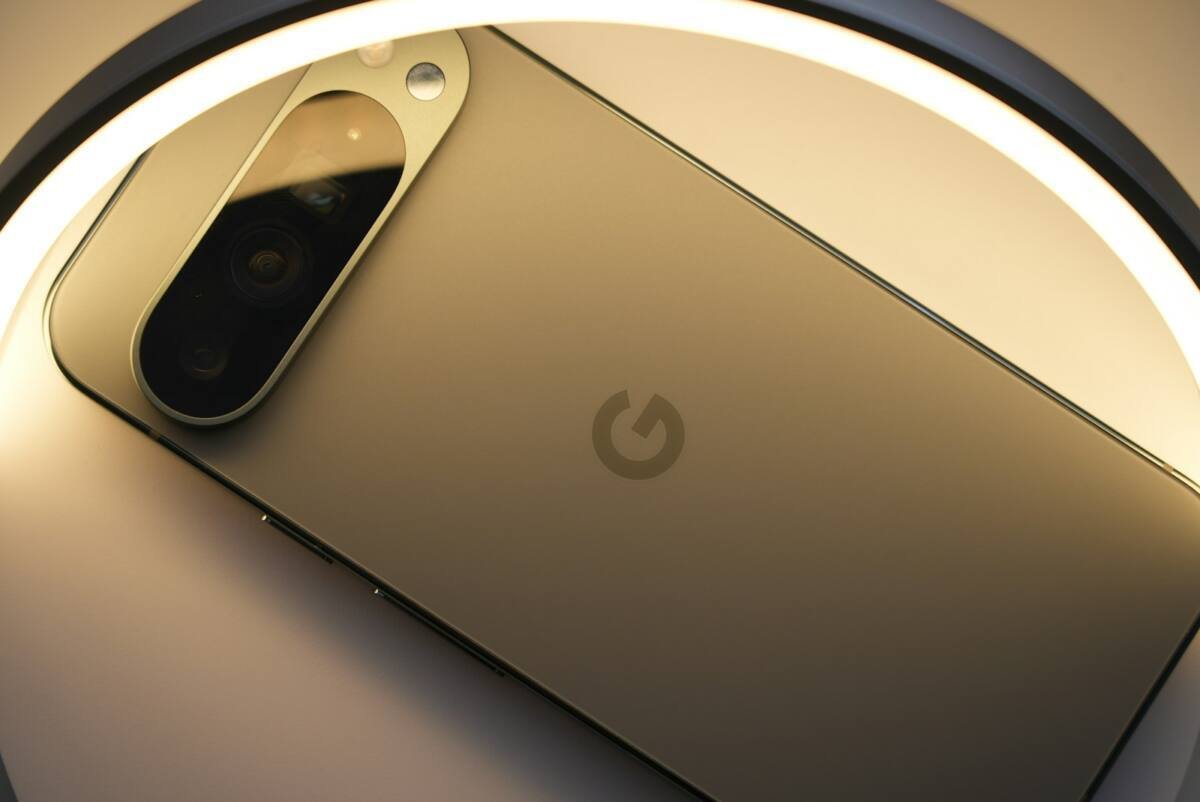
The Pixel 10a doesn’t chase headlines — it just quietly does everything most people need for under $500. You get the same Tensor G4 chip as last year’s model, a slightly brighter 6.3-inch 120Hz display, a 100% recycled aluminum frame, and Google’s best-in-class 7-year update commitment. It also picks up higher-end Pixel 10 features like Auto Best Take and Camera Coach, which is rare at this price point.
- 6.3″ Actua display, 120Hz, Gorilla Glass 7i
- Tensor G4 chip, Titan M2 security chip
- 48MP main + 13MP ultrawide camera
- 5,100mAh battery, IP68 water/dust resistance
- Starts around $499 (128GB)
Best for: anyone who wants a genuinely great, long-supported phone without flagship pricing.
7. Samsung Galaxy Z Flip 7 — Best Foldable

Foldables finally feel mainstream-ready, and the Z Flip 7 is the clearest example. Samsung gave the cover screen a major glow-up this generation — the FlexWindow now stretches edge-to-edge and can run music controls, timers, health widgets, and Now Bar without ever opening the phone. It’s also noticeably slimmer and lighter than the Flip 6, at just 188g and 13.7mm folded, while the bigger 4,300mAh battery finally addresses the biggest complaint about compact foldables: battery anxiety.
- 6.9″ inner display + 4.1″ edge-to-edge FlexWindow cover display, both up to 120Hz
- Exynos 2500 chip, 12GB RAM
- 50MP main camera with FlexCam hands-free shooting
- 4,300mAh battery, Armor FlexHinge, IP48 rating
- Starts around $1,099 (256GB)
Best for: anyone who wants a genuinely pocketable phone with a cover screen that now does real work, not just notifications.
Which One Should You Actually Buy?
If money’s no object, the iPhone 17 Pro Max and Galaxy S26 Ultra are the two safest, most complete flagships you can buy in 2026 — pick based on your ecosystem (iOS vs. Android). If photography is the priority, it’s a toss-up between the Pixel 10 Pro XL’s AI-driven software and the Find X9 Ultra’s massive camera hardware. Want performance without the flagship price? The OnePlus 15R is the clear pick. On a tight budget, the Pixel 10a remains the best all-rounder under $500. And if you just want something different — a phone that folds in half and fits in a coin pocket — the Z Flip 7 is the most refined compact foldable Samsung has ever made.
Prices and availability change frequently — check the Amazon listings above for current pricing before you buy.