Disclosure: This post contains an Amazon affiliate link. As an Amazon Associate, we may earn a commission from qualifying purchases, at no extra cost to you.
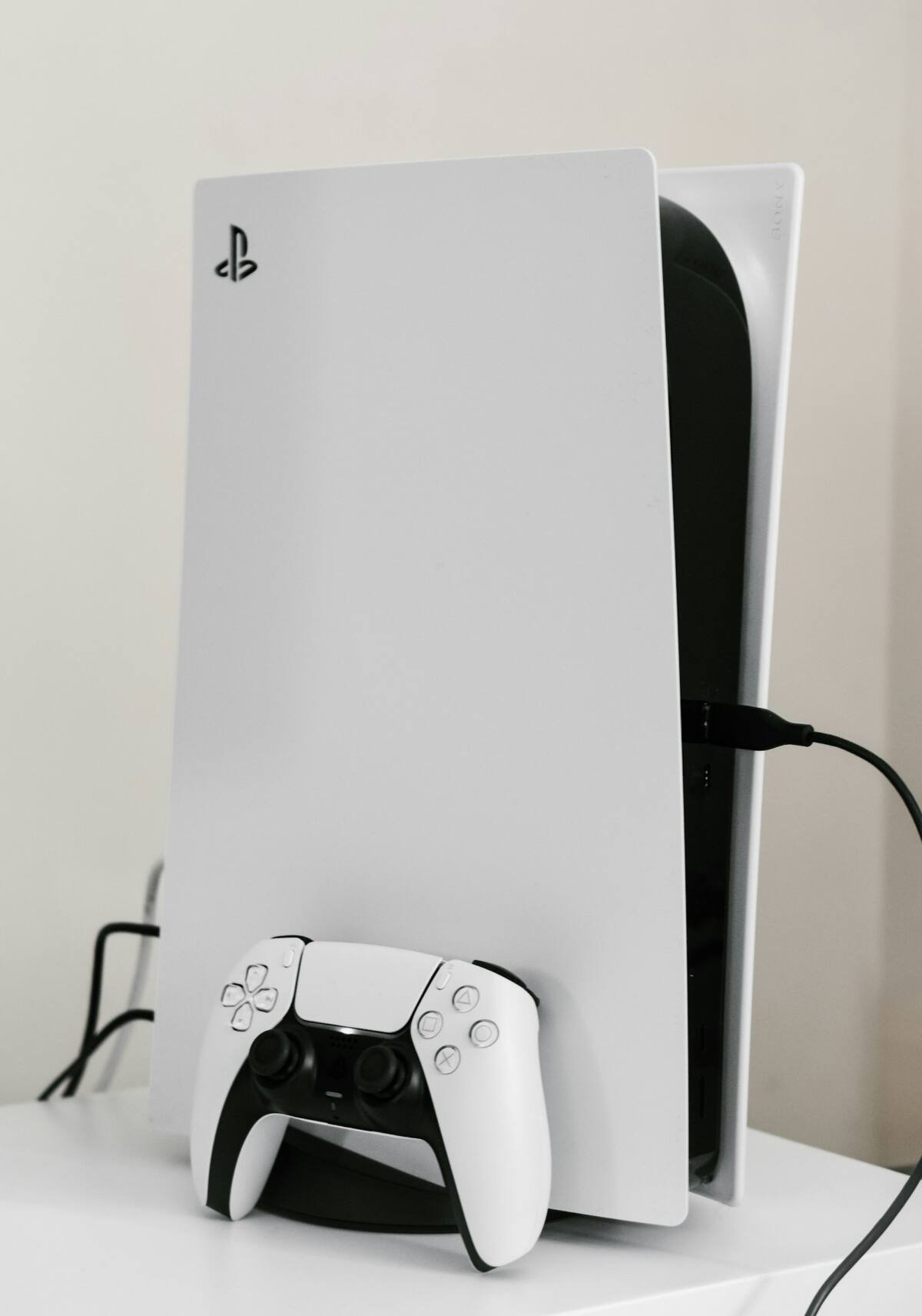
The PS5 launched in November 2020 at $499.99. Six years later, that same standard disc console has been through two price hikes, a $69.99 first-party game price, and one partial rollback — and it’s still priced well above where it started. So is the PS5 actually overpriced in 2026, or is something bigger going on? Short answer: yes, it costs more than it should for six-year-old hardware — and the reason has almost nothing to do with Sony trying to squeeze gamers on purpose.
The Timeline: How We Got Here
- November 2020: PS5 launches at $499.99 (disc) / $399.99 (Digital Edition)
- September 2025: PS5 Digital Edition quietly downgraded from 1TB to 825GB of storage
- August 21, 2025: First price hike — standard PS5 rises from $499.99 to $549.99
- April 2, 2026: Second, much steeper hike — disc model to $649.99, Digital Edition to $599.99, and the PS5 Pro jumps to $899.99. First-party game prices rise from $59.99 to $69.99
- May 2026: US PS5 hardware sales crash 58% year-over-year — the worst May for PlayStation hardware sales since 2000
- August 21, 2026: Sony partially reverses course — disc drops back to $549.99, Digital to $499.99, and the Pro falls to $749.99
Net result: even after the August rollback, a standard PS5 still costs $50 more than its 2020 launch price, and the PS5 Pro sits at $749.99 — $150 above what internal Sony documents reportedly targeted before the “revised bill-of-materials costing” pushed it up. That’s an unusual trajectory for a console six years into its life cycle, when prices normally trend down, not up.

Why This Is Actually Happening
Sony’s official line has stuck to vague language about “continued pressures in the global economic landscape.” That’s technically true, but it skips the more specific — and honestly more interesting — story underneath.
1. AI Is Eating the World’s Memory Chip Supply
This is the big one. The explosion in AI data center construction since 2024 has sent demand for DRAM and NAND flash memory through the roof — the same components every game console, laptop, and phone needs. Chipmakers are prioritizing high-margin AI server memory over consumer electronics, which has driven consumer memory prices sharply higher. It’s the reason Sony quietly cut the PS5 Digital Edition’s storage from 1TB to 825GB before it even touched the price tag — cheaper to ship less memory than to eat the cost increase.
2. Tariffs and Trade Uncertainty
Ongoing US-China trade tension has meant elevated tariffs on imported electronics components, with no permanent resolution in sight — just temporary truces that keep getting extended a few months at a time. That uncertainty alone makes it hard for Sony to commit to stable, long-term pricing.
3. It’s Not Just Sony
If this were a Sony-specific decision, you’d expect competitors to hold their prices and eat Sony’s market share. That’s not what happened. Microsoft raised the Xbox Series X to $799.99 on August 1, 2026. Nintendo pushed the Switch 2 to $499.99 starting September 1, 2026. Valve has publicly said it’s revisiting Steam Machine pricing over the same memory shortage. When every major hardware maker moves in the same direction within weeks of each other, that’s a supply chain problem, not a pricing strategy.
4. Sony Needed the August Rollback
The 58% sales crash in May 2026 wasn’t a small dip — it was the weakest May for PlayStation hardware in a quarter-century, even with strong software sales for titles like 007 First Light and Forza Horizon 6 that month. The average PS5 selling price had climbed to $672, up 33% year-over-year. That’s the kind of number that forces a correction, and it’s almost certainly why Sony walked part of the price hike back in August — GTA VI launches this November, and Sony can’t afford a shrinking install base heading into gaming’s biggest release of the decade.
So — Is the PS5 Overpriced?
By most reasonable measures, yes — at least relative to where six-year-old hardware should be. A console is supposed to get cheaper as manufacturing costs come down and the tech ages; the PS5 has gone the opposite direction twice in twelve months. But “overpriced” doesn’t mean “unjustified.” The price increases track almost exactly with real, verifiable spikes in memory chip costs and tariff exposure — costs that are hitting every console maker, not just Sony. This isn’t a case of a company quietly padding margins; it’s hardware pricing catching up to a genuinely unusual supply chain squeeze.
That said, none of that changes the math for your wallet. If you’re currently priced out, here’s the practical read:
- If you can wait: Black Friday 2026 is shaping up to be the best window of the year — Sony discounted hardware by roughly $100 last November and will likely want to maximize its install base before GTA VI launches
- If you need one now: the August 2026 rollback prices ($549.99 disc / $499.99 Digital) are the best official pricing available right now — don’t pay more at a retailer marking up “low stock” units
- Skip the Pro unless you need it: early GTA VI benchmarks show the base PS5 handles native 4K/30fps just fine — the $749.99 Pro isn’t required for the games driving most people’s purchase decisions
- Watch for further hikes: the DRAM shortage hasn’t resolved, and the tariff truce is temporary — pricing stability isn’t guaranteed even after this rollback
Prices and availability change quickly in this environment — always check official Sony/retailer pricing before buying, since third-party listings above official MSRP are common right now.