
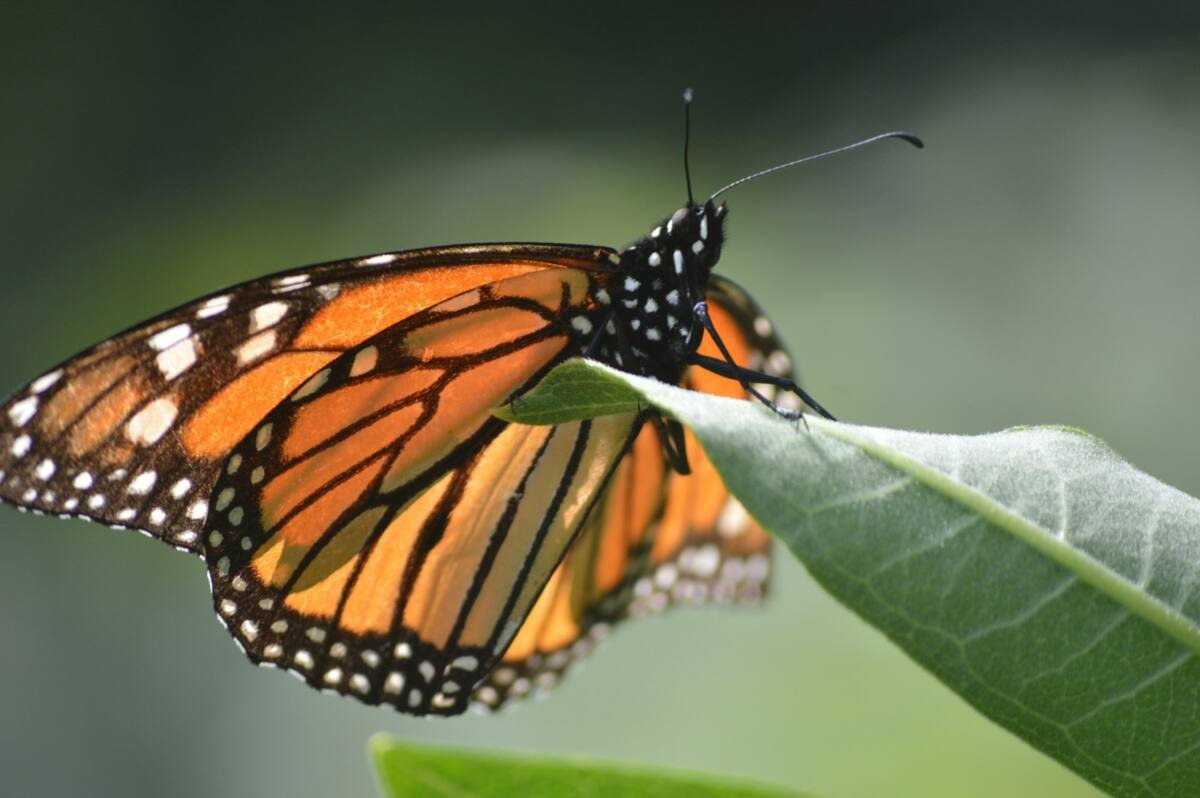
Right now, somewhere over the northern U.S. or southern Canada, millions of monarch butterflies weighing less than a paperclip are navigating a 3,000-mile flight to a forest in Mexico they’ve never seen before. September is peak migration season for the eastern population, and the next few weeks are the best window all year to actually watch it happen.
When and Where to Look, State by State
The migration moves south in a rolling wave, not all at once. According to Monarch Watch, the approximate peak timing looks like this:
- Northern U.S. and southern Canada: late August through early September
- Upper Midwest and northern Northeast: early to mid-September
- Central U.S.: mid-to-late September
- Texas and the Gulf Coast: late September into October, as monarchs funnel south before crossing into Mexico
If you’re anywhere along that corridor, a sunny, breezy afternoon is your best bet — monarchs use rising warm air currents to glide long distances without burning through their fat reserves, so they’re far more active and visible on clear days than overcast ones.
The Journey Is Wild on Its Own Terms

Eastern monarchs travel up to 3,000 miles to reach the same overwintering forests in central Mexico every single year, in what’s considered one of the longest migrations of any insect on the planet. The pace varies wildly depending on conditions — the average butterfly covers 20 to 30 miles a day, but a tagged individual has been recorded flying 265 miles in a single day when the wind cooperated. Western monarchs take a separate route, heading instead toward overwintering groves along the California coast, though researchers have documented some movement between the two populations.
The part that still genuinely puzzles scientists: no monarch making this trip has ever made it before. They navigate using a time-compensated sun compass — combining the sun’s position with an internal body clock — and appear to have Earth’s magnetic field as a backup system when the sky is overcast. It’s an entirely inherited behavior, not a learned one.
A Genuinely Good-News Year, With a Caveat
The most recent survey of the eastern population’s Mexican overwintering forests found monarchs occupying 7.24 acres this past winter, up 64% from 4.42 acres the year before. That’s real, welcome growth. It’s also not a trend to celebrate too hard on its own: researchers caution that monarch numbers swing sharply year to year based on weather and breeding conditions, and the U.S. Fish and Wildlife Service still estimates the eastern population faces a 56% to 74% chance of extinction by 2080, with the western population’s odds considered even worse.
How to Actually Help, Beyond Watching

You don’t need acres of land to make a difference for monarchs passing through. A few things that genuinely move the needle:
- Plant native milkweed — it’s the only plant monarch caterpillars eat, and populations along the route depend on it
- Keep nectar-producing flowers blooming into fall so migrating adults have fuel along the way
- Cut back on pesticide and herbicide use, especially near any milkweed or flowering plants
- Report sightings through Monarch Watch’s tagging program or Journey North’s citizen-science maps, which help researchers track routes and success rates in real time
Bottom Line
If you live anywhere between Canada and Texas, the next few weeks are your window to see one of the continent’s genuinely great wildlife spectacles pass directly through your own backyard, no travel required. This year’s population uptick is encouraging, but it doesn’t erase the longer-term threat — which makes a small, well-timed garden change more useful than it might seem.
FAQ
How do I tell a monarch from a similar-looking butterfly?
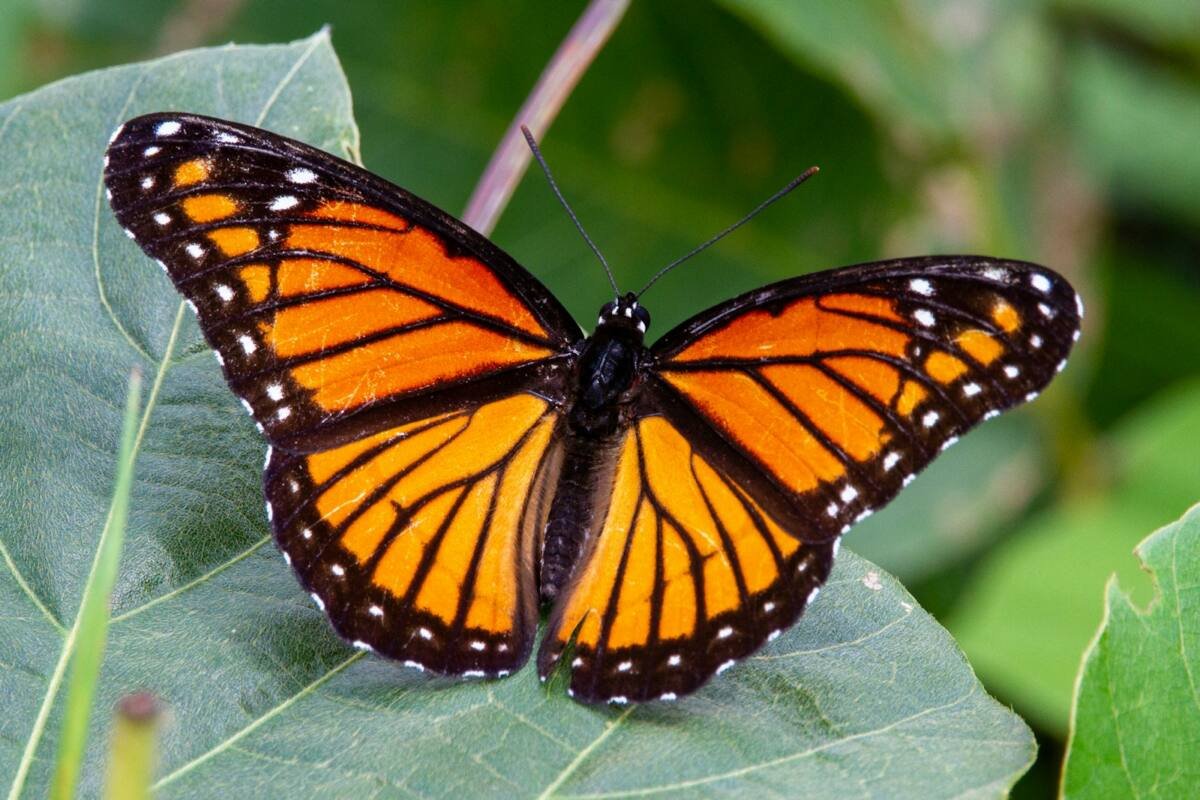
Monarchs have bright orange wings with bold black veins and a black border dotted with white spots. The viceroy butterfly looks almost identical but has one extra black line curving across the hindwing that monarchs lack.
Do monarchs migrate every generation?
No. The migrating “super generation” is different biologically from the monarchs born in spring and summer — it lives up to eight months, versus just a few weeks for other generations, specifically to survive the round trip and winter dormancy.
What’s the best time of day to spot migrating monarchs?
Late morning through mid-afternoon on warm, sunny days, when rising thermal air currents make long-distance gliding easiest and monarchs are most active.