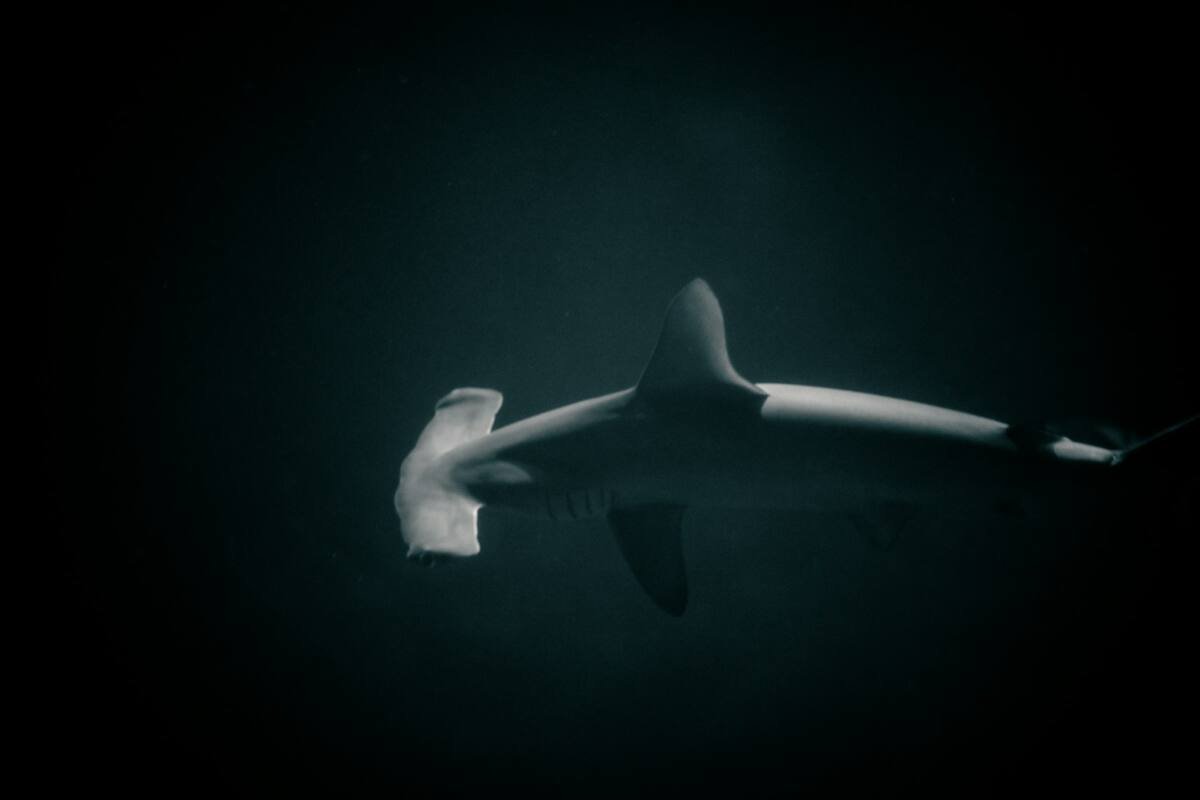
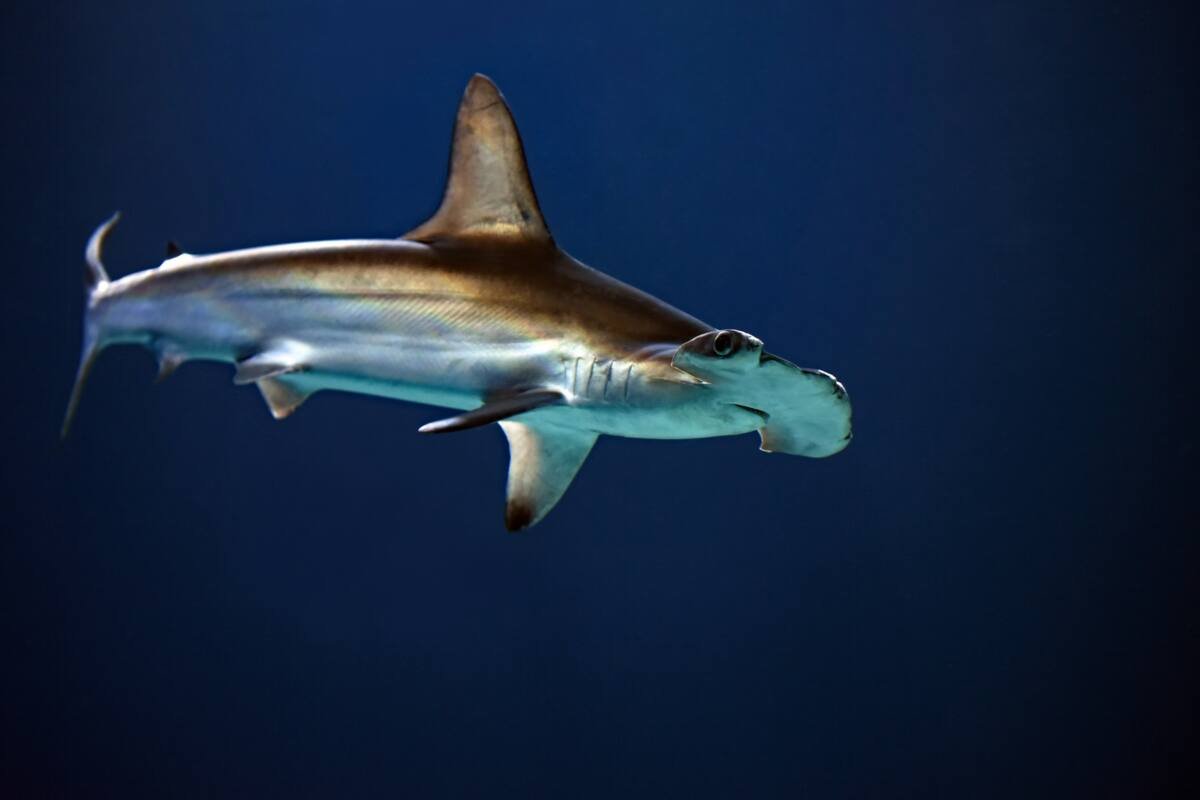
Bonnethead sharks are the only shark species known to have visibly different head shapes between males and females, and scientists thought they understood why: males supposedly grew a pointed snout once they hit sexual maturity. A new study of 144 sharks across two Florida bays just proved that explanation wrong.
Both Sexes Start the Same Way
Researchers from the University of Miami Rosenstiel School sampled 105 bonnethead sharks in Biscayne Bay and 39 more in the Tampa Bay region between May 2022 and May 2023, photographing and geometrically analyzing the curvature of each shark’s head before release. The pattern held across both locations: young sharks of both sexes start out with relatively pointed heads, and both become rounder as they mature — the change is just dramatically more pronounced in females. “Younger males and females both had more pointed heads, but the head became rounder as the sharks matured,” said lead author Kathy Liu. “That change was much greater in females.”
Ruling Out Diet as the Cause
Beyond head shape, researchers examined muscle samples from 137 sharks for carbon and nitrogen isotope signatures — chemical markers that reveal an animal’s position within its local food web. The two Florida populations turned out to feed within genuinely different food webs, but measuring diet and head shape in the same animals showed the two don’t change together. That result eliminated a second leading hypothesis: males and females don’t have different head shapes because they’re eating differently.
So What Is Actually Driving It?
With diet and simple maturation both ruled out as direct drivers, researchers are now looking at swimming performance and reproduction-linked changes as the more likely explanations — though neither has been confirmed yet. The bonnethead’s hammerhead-family cephalofoil is already known to improve maneuverability and expand the shark’s field of vision, so a shape shift tied to swimming demands that change with age and sex is a genuinely plausible next avenue for research.
Bottom Line
This is the first detailed study to examine both head shape and diet together in bonnethead sharks, and it did what good research often does: closed off two plausible explanations without landing on a confirmed replacement. That’s not a failure — ruling out maturation and diet narrows the real search considerably, and gives future researchers a clearer set of questions to chase instead of two competing theories that turned out to both be wrong.