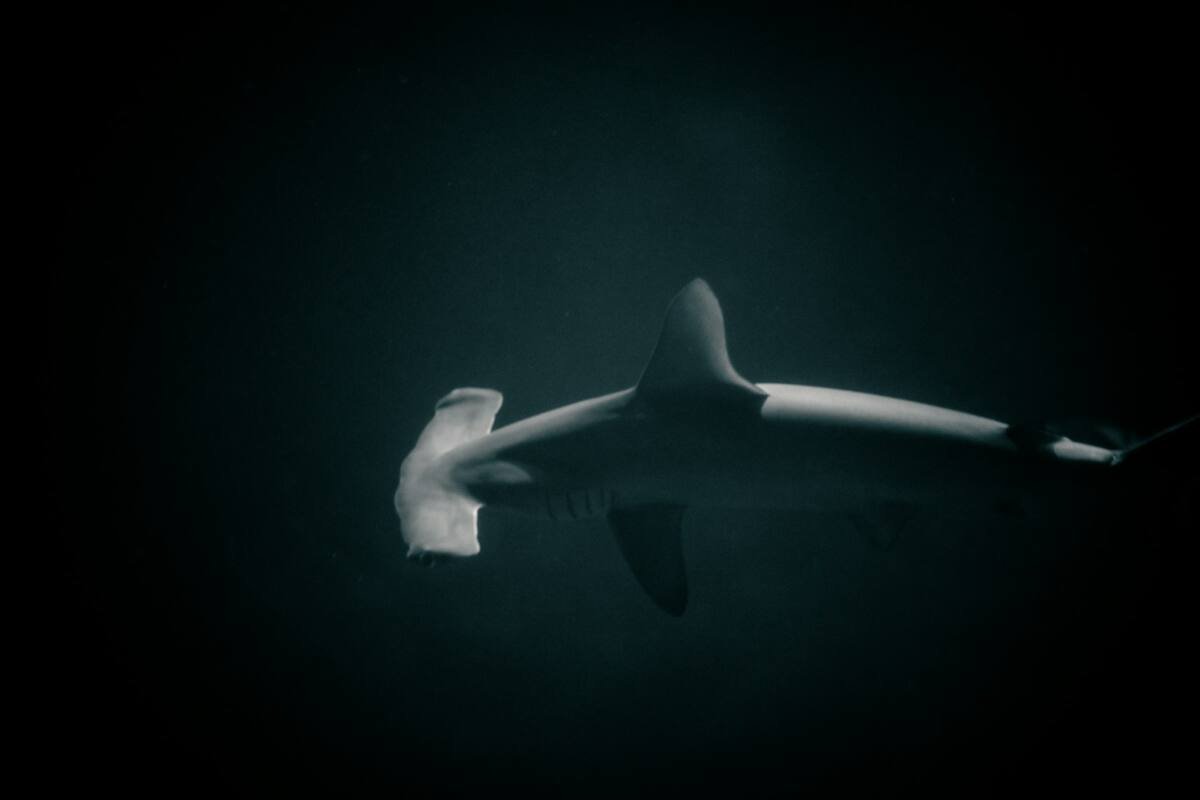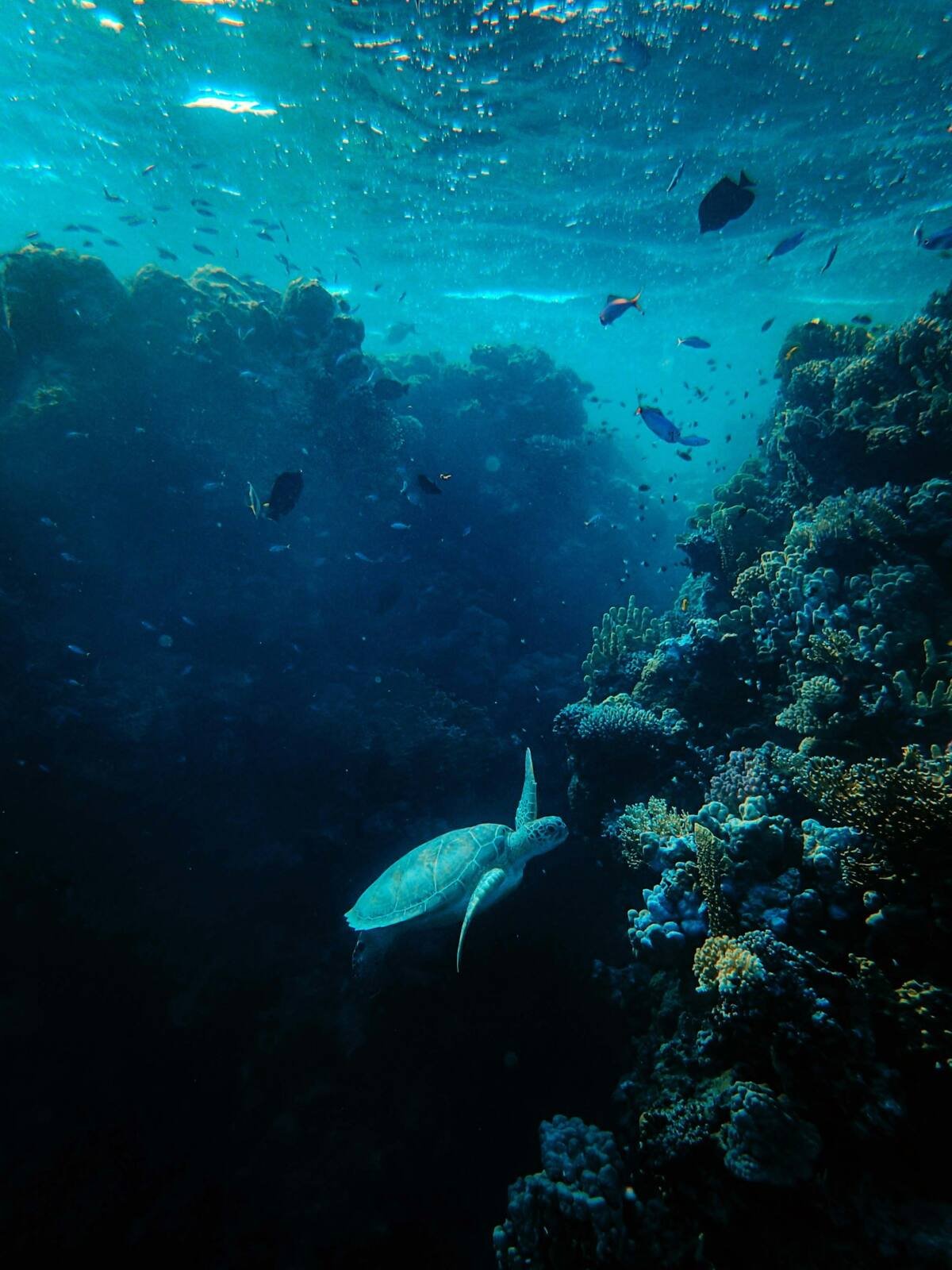
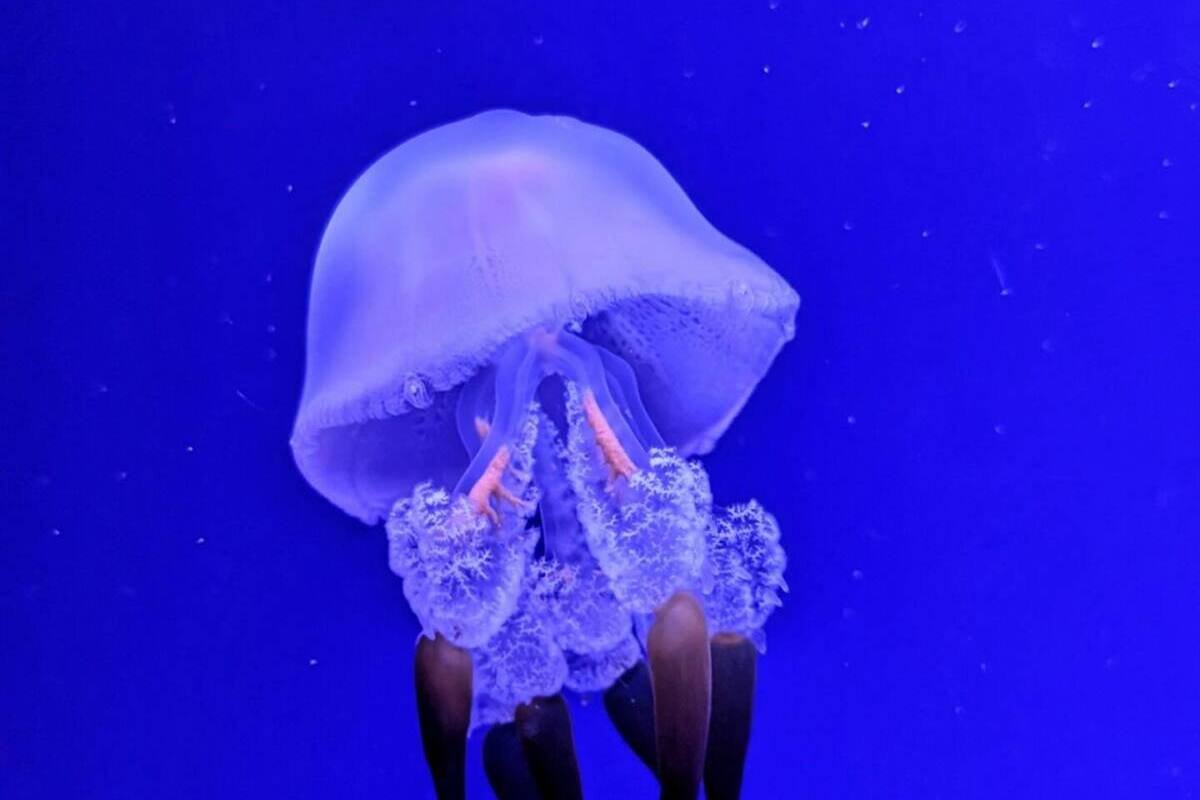
Less than 0.001 percent of the ocean floor has ever been directly seen by human eyes. That number is the whole reason the Ocean Census exists — and its latest results prove just how much is still waiting down there. Between mid-2025 and mid-2026, the Nippon Foundation-Nekton Ocean Census identified 1,121 new marine species, a 54% jump over the previous year’s count.
A Global Effort, Not One Expedition
The 1,121 species were not found on a single voyage. They came out of 13 separate expeditions and nine species discovery workshops run through the Ocean Census Alliance, a coalition of national and philanthropic marine institutes, museums, and universities backed by governments and civil society partners worldwide. “This takes a huge global village to contribute toward the 1,121 species that were discovered,” said one Ocean Census researcher. “I’m constantly amazed about the things that we find in our marine environment — it’s magical.”
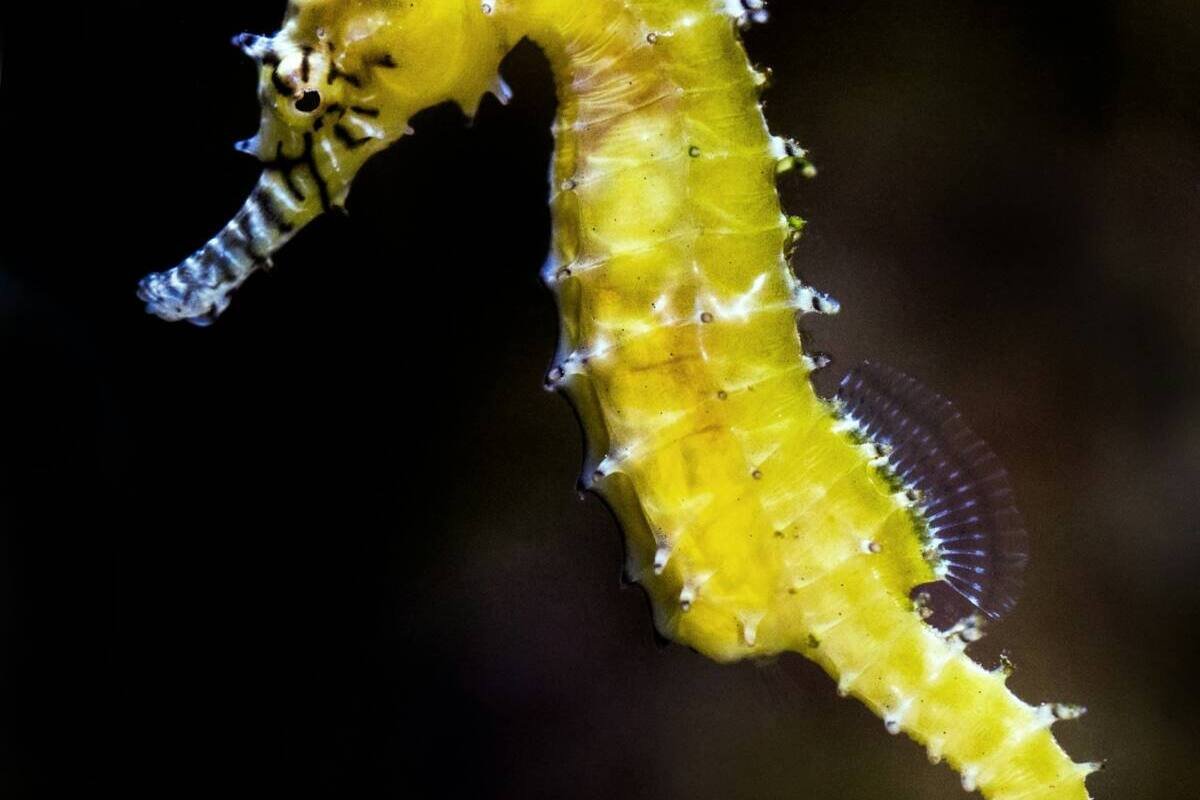
What Was Actually Found
The discoveries span depths of up to 6,575 meters (over 4 miles down) and include a new species of deep-sea ghost shark, a symbiotic bristle worm found living inside a “glass castle” structure, plus dozens of new corals, crabs, shrimp, sea urchins, and anemones. Not every discovery required a deep-sea submersible, either — a sea pen was documented near the South Sandwich Islands, and brightly banded shrimp turned up in a sea cave near Marseille, France, proving new species can still hide close to well-studied coastlines, not just in remote trenches.
Why the Increase Matters
A 54% jump in a single year is a meaningful signal about how fast ocean science is scaling up, not just a lucky season. Better underwater imaging technology, expanded international collaboration, and dedicated taxonomy workshops are letting researchers formally describe new species faster than in previous years, when specimens could sit unidentified in collections for years before anyone had the capacity to properly catalog them.
Bottom Line
The ocean covers more than 70% of the planet, and humans have directly observed almost none of its floor. Every one of these 1,121 species was found in a single year, by one coordinated global effort — which says less about how rare ocean life is and more about how little of it we’ve actually looked at. If the pace of discovery keeps climbing the way it did this year, the real headline may not be how many new species exist, but how badly outdated our sense of ocean biodiversity has been all along.