
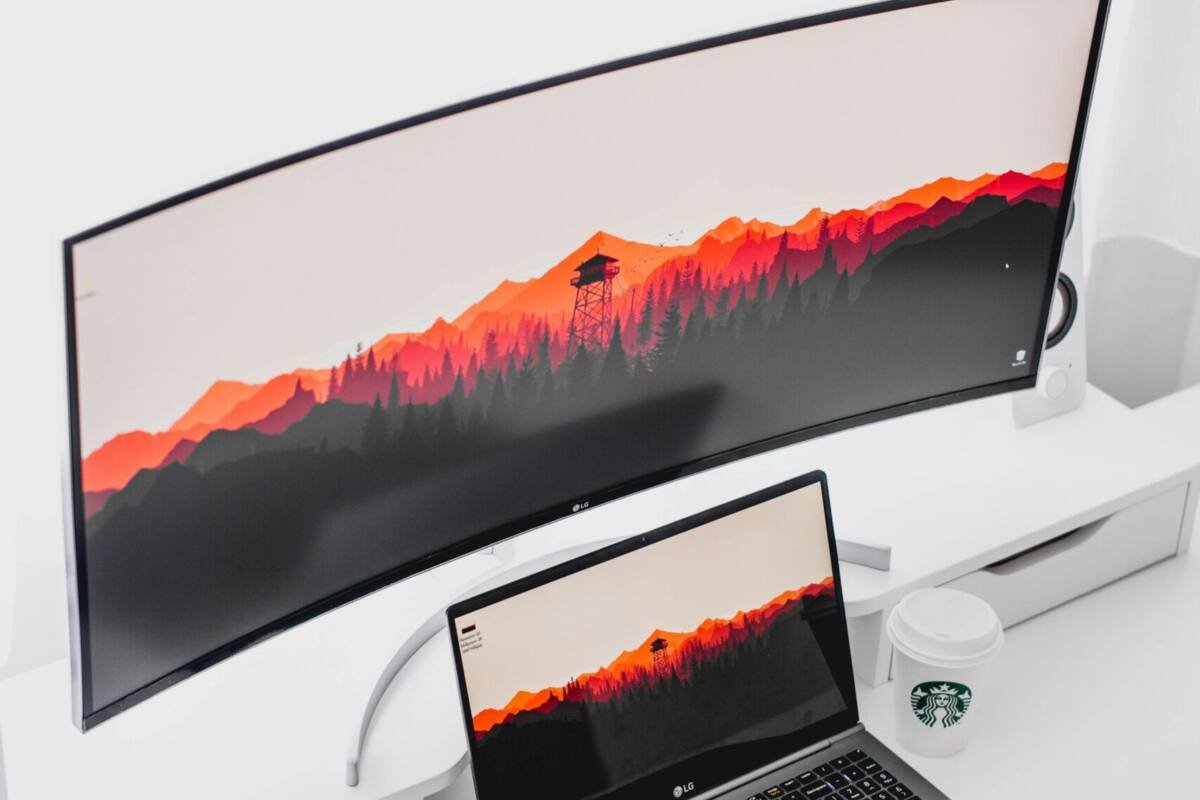
Affiliate disclosure: As an Amazon Associate we earn from qualifying purchases. Links to Amazon in this post may earn us a commission at no extra cost to you. Learn more.
This guide is for people who work on a laptop and want a second screen that fits in a bag: remote workers, students and anyone who travels. It is based on manufacturer specifications and PopSci’s published roundup of portable monitors, not on hands-on testing by us.
What matters when buying
Connection comes first. Most portable monitors need a USB-C port that supports video output, often called DisplayPort Alt Mode, or an HDMI connection. If your laptop only has a basic USB-C data port, the monitor will not light up over USB-C. Check your laptop’s specification page, then look for a monitor with a mini-HDMI port as a backup. The Arzopa models in PopSci’s list, for example, include two USB-C ports and a mini-HDMI port.
Size and weight. A 13.3-inch screen is easy to carry, while a 15.6-inch screen is easier to work on. PopSci lists weights from about 1.4 pounds for the smallest picks to just under 2 pounds for the 15.6-inch ones, which is light enough for a laptop bag but still noticeable.
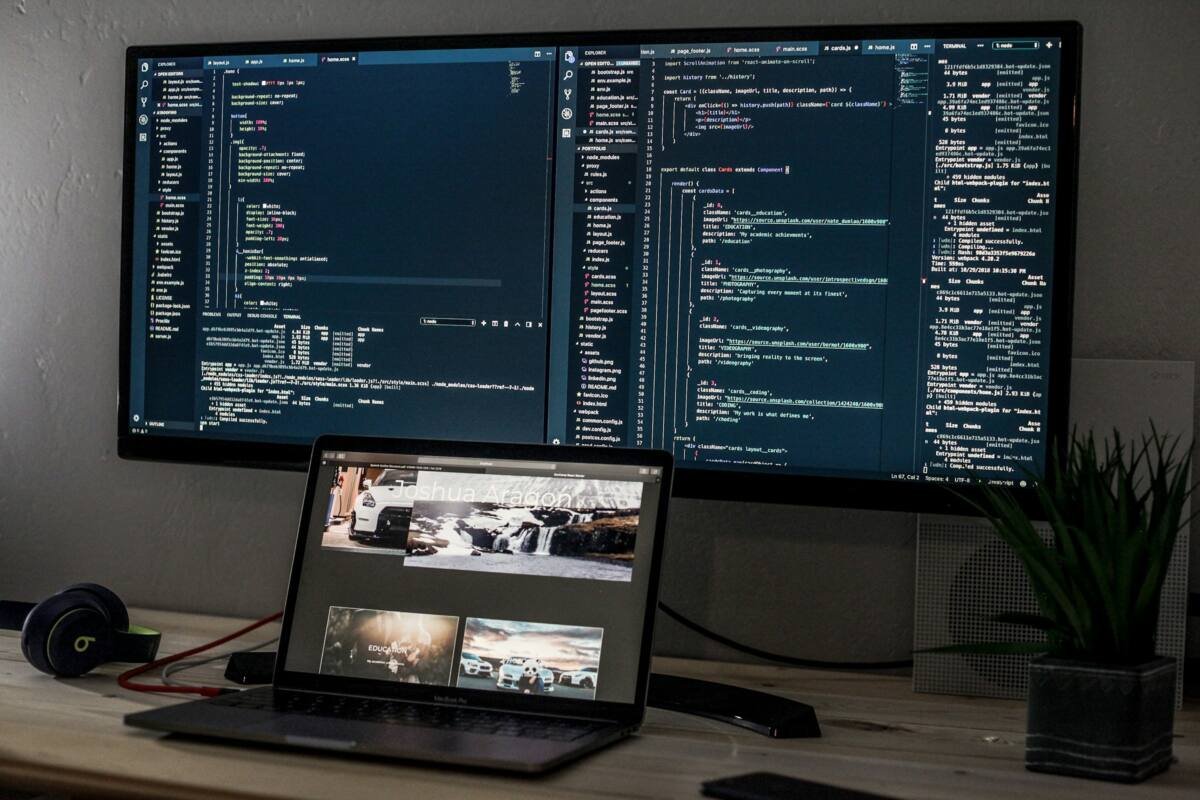
Resolution and refresh rate. Full HD at 15.6 inches is sharp enough for documents and video. A higher resolution on a smaller panel, such as the 2560 x 1600 Arzopa 13.3-inch, gives crisper text. A 60 Hz panel is fine for office work. A 144 Hz panel only matters if you game, and it needs a source that can output it.
Touch. Touchscreens are useful for sketching and for tablet-like use, but they usually add weight and cost, and they may require a driver on some connections.
What to ignore. Built-in speakers are an afterthought on almost every model, and PopSci says as much about one of its picks. Treat them as emergency audio and use your laptop or headphones instead.
Quick picks
ASUS ROG Strix XG16AHPE: for gaming on the go
PopSci names it the best overall. It is a 15.6-inch, 1920 x 1080 panel with a 144 Hz refresh rate, weighs 1.98 pounds, and has HDMI, USB and an audio jack. The drawback PopSci gives is the cost, since it is the premium option here. Search for the ASUS ROG Strix XG16AHPE on Amazon.
Arzopa Portable Monitor 2K: for pairing with a laptop
PopSci calls it the best for laptops. The panel is 13.3 inches at 2560 x 1600 and 60 Hz, weighs 1.41 pounds, and has two USB-C ports, mini-HDMI and a headphone jack. The drawback is that the USB-C ports are on one side only, which can make cable routing awkward. Search for the Arzopa 2K portable monitor on Amazon.
ASUS ZenScreen Touch MB16AMT: for touch input
PopSci’s best portable touchscreen is a 15.6-inch, 1920 x 1080, 60 Hz panel weighing 1.98 pounds. The drawback listed is that you have to download a driver for the USB Type-A connection. Search for the ASUS ZenScreen Touch MB16AMT on Amazon.
Arzopa A1 Gamut: for a tighter budget
PopSci’s best budget pick is a 15.6-inch, 1920 x 1080, 60 Hz screen weighing 1.44 pounds, with mini-HDMI, two USB-C ports and an audio jack. The drawbacks: a separate stand piece that could get lost, and built-in speakers that PopSci calls lacking. Search for the Arzopa A1 Gamut on Amazon.
How these were chosen. I did not test any of these monitors. The sizes, weights, resolutions and drawbacks come from PopSci’s roundup, and I have left out brightness figures because the article does not state them. Brightness matters for outdoor use, so check the manufacturer’s specification page before you buy, and confirm that the current version still matches the one reviewed.
Setting one up. Plug the monitor into your laptop, open your operating system’s display settings, and choose whether to extend or mirror the screen. Extending gives you extra desktop space, which is the point. Set the monitor’s scaling so text is readable without squinting, particularly on the higher-resolution 13.3-inch panel, and use the laptop’s display arrangement tool so the mouse moves between screens in the direction you expect. A small stand or a folding case that doubles as a prop will do more for comfort than any spec on this list.
Common mistakes
The most common mistake is buying a monitor your laptop cannot drive. The second is paying for a high refresh rate that your laptop cannot output over a single cable. The third is forgetting about power: many portable monitors draw power from the laptop, which shortens battery life, so a small power bank or wall charger on the second port helps. And the fourth is assuming the included stand will be stable on every surface.
For a permanent desk setup, see our guide to choosing a 1440p monitor. A laptop stand and a USB-C hub round out a travel desk.
Bottom Line
Start with what your laptop can output, then choose size and resolution for how you work. According to PopSci, the ROG Strix XG16AHPE leads overall, the Arzopa 2K is the pick for laptops, the ZenScreen Touch is best for touch and the A1 Gamut is the budget option. Read the full review before you commit.
FAQ
Will a portable monitor work with any laptop?
Not always. Your laptop needs either a USB-C port with video output or an HDMI output. Check the laptop’s specifications first.
Do portable monitors need their own power?
Many run from the laptop’s USB-C port, which drains its battery faster. A second USB-C port lets you plug in a charger or a power bank.
Is 144 Hz worth it on a portable monitor?
Only for gaming, and only if your device can output that refresh rate. For documents and video, 60 Hz is fine.
Featured image: Photo by Alexandru Acea on Unsplash.
No comments yet. Be the first to share your thoughts below.