
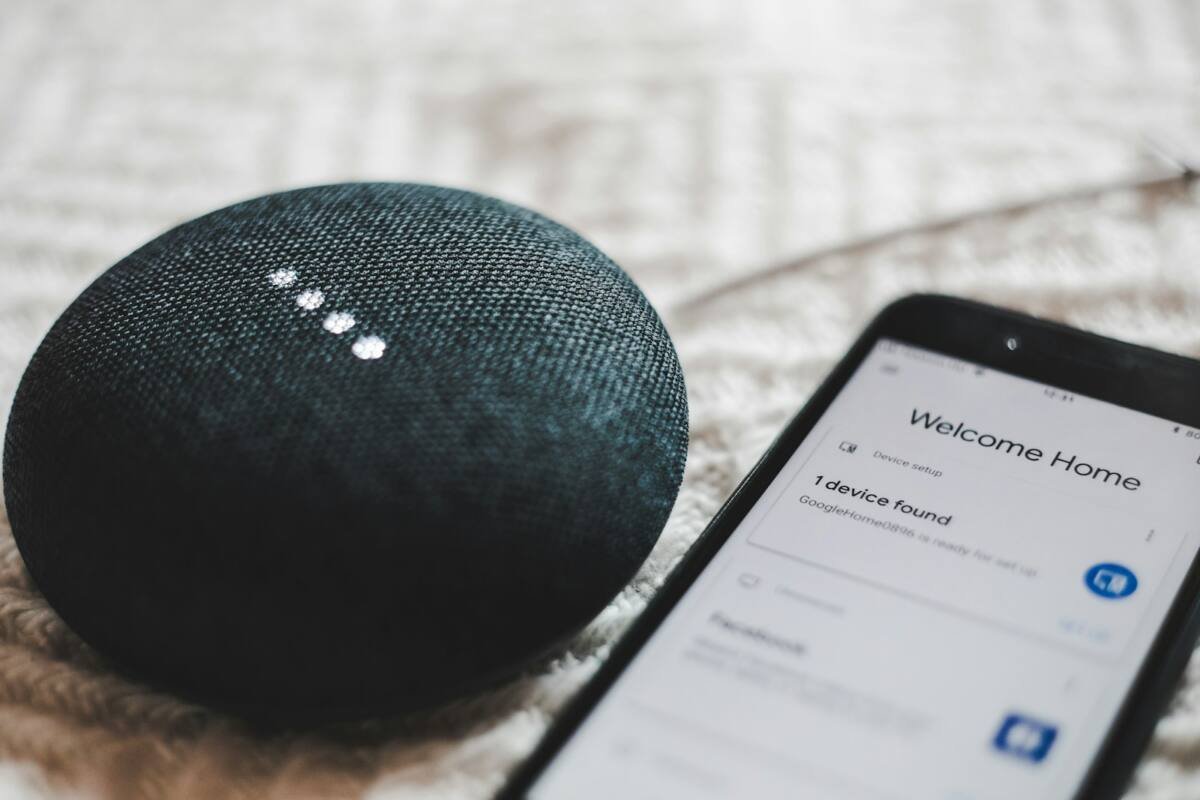
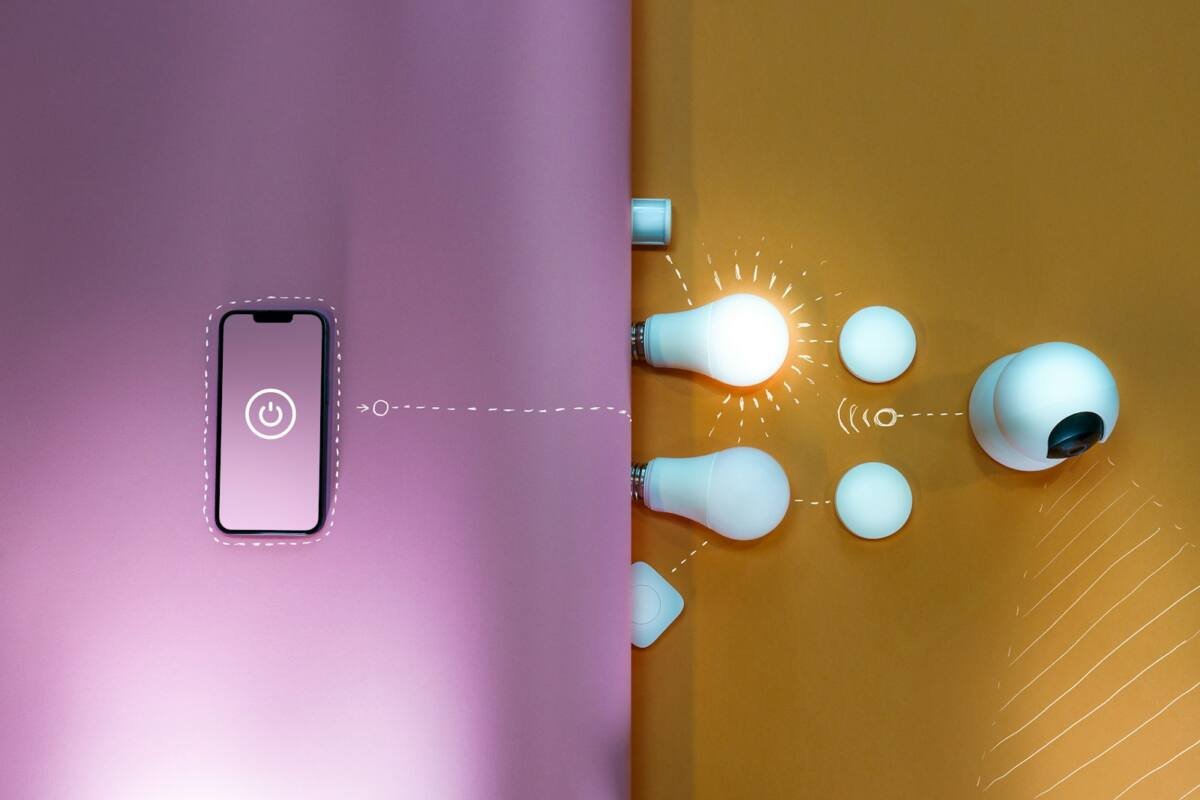
You don’t strictly need a hub to use a smart bulb anymore. You do need one the moment you add motion sensors, door locks, a robot vacuum, and a dimmer switch and want them all talking to each other without six separate apps fighting for space on your phone. The good news in 2026: Matter has actually delivered on its promise of cross-brand compatibility, and the hub question has shifted from “do I need one” to “which ecosystem do I want to live inside for the next few years.”
The Three Things That Actually Decide Your Pick
Before comparing specific hubs, three questions narrow the field fast. First: local control or cloud control? A local hub runs automations on the device itself, so routines keep working and data stays home even if your internet drops — the priority if privacy matters to you. Second: what ecosystem are you already in? If your phone and speakers are Apple, a HomePod mini drops in with zero friction; if you’re Alexa-first, the Echo Hub does the same. Third: how many older devices do you already own? Zigbee, Z-Wave, and Thread are all still in play, and a hub that only speaks Matter over Wi-Fi will strand anything older sitting in a drawer.
Best for Most People: Samsung SmartThings Station
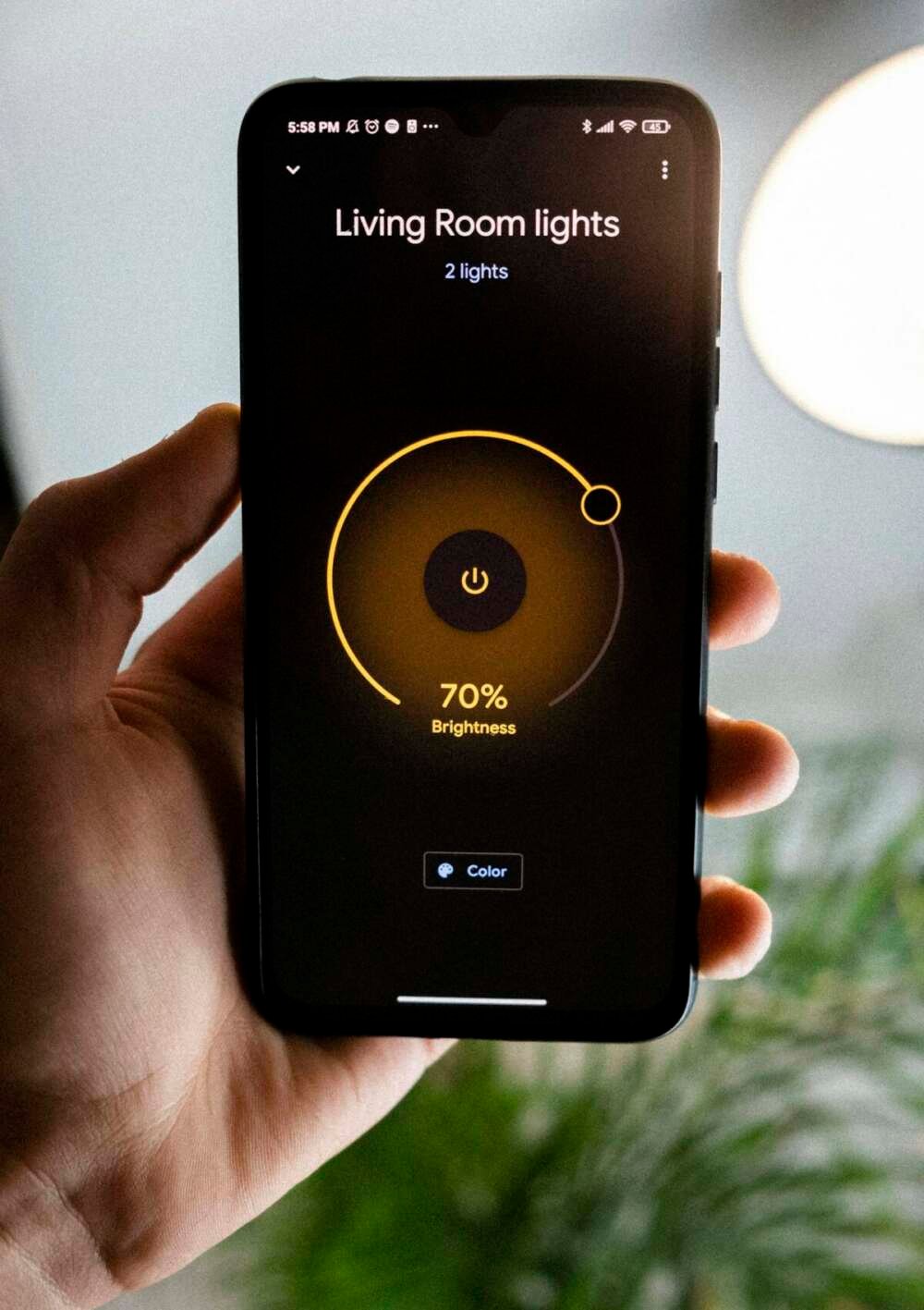
At $99, the SmartThings Station covers Matter, Thread, Zigbee, Z-Wave, and Wi-Fi in one package — broader protocol coverage than almost anything else at this price — and doubles as a wireless phone charger on your nightstand. It leans partly on the cloud for some features, which is the one trade-off against fully local alternatives, but the setup experience is by far the easiest of any multi-protocol hub on this list.
Best for Apple Households: HomePod mini
If your phone, your routines, and your speakers already answer to Siri, the HomePod mini is the obvious pick — it doubles as a Thread border router and HomeKit hub without any extra setup step. The full-size HomePod does the same job with noticeably better audio, if sound quality matters as much as the smart-home function to you.
Best for Power Users: Hubitat Elevation C-8 Pro
Hubitat runs entirely locally — no cloud, no subscription, no data leaving the house — and carries more radio protocols than almost any consumer hub, which keeps a shelf of older Zigbee and Z-Wave gear usable instead of stranded. The trade-off is a steeper learning curve than SmartThings or Apple’s ecosystem; this is the pick for people who want to actually tinker with their automations, not just toggle a light from an app.
Best Budget Pick: Aqara Hub M3
The Aqara M3 packs a built-in Thread border router and Zigbee 3.0 radio into a small puck, runs automations locally, and exposes its own Aqara Zigbee accessories to Apple Home, Google Home, and Alexa simultaneously over Matter — a genuinely rare feat of cross-ecosystem cooperation. Setup is scan-a-QR-code simple, and it’s the only hub in this list that plays nicely with all four major platforms right out of the box.
Quick Comparison
| Hub | Protocols | Local or Cloud | Best For |
|---|---|---|---|
| SmartThings Station | Matter, Thread, Zigbee, Z-Wave, Wi-Fi | Mostly local | Most households |
| HomePod mini | Matter, Thread | Local for HomeKit | Apple ecosystem |
| Hubitat Elevation C-8 Pro | Matter, Zigbee, Z-Wave, Thread | Fully local | Power users |
| Aqara Hub M3 | Matter, Thread, Zigbee 3.0 | Local automations | Cross-platform households, budget |
Bottom Line
There’s no single best hub for everyone in 2026 — the right pick depends entirely on which ecosystem you’re already in and how much of your existing gear is older Zigbee or Z-Wave hardware. For most people without strong opinions either way, the SmartThings Station’s protocol coverage and easy setup make it the safest default. If privacy or deep customization matter more to you than convenience, Hubitat is worth the steeper learning curve.
FAQ
Do I need a hub if all my devices support Matter?
Not necessarily. Devices that connect via Wi-Fi or Thread can often be controlled directly by a Matter controller like an Apple TV, HomePod, Google Nest speaker, or Amazon Echo. A dedicated hub becomes essential once you add Zigbee or Z-Wave devices, or want complex cross-brand automations.
What’s the difference between a Matter hub and a Matter bridge?
A bridge brings non-Matter devices, typically Zigbee or Bluetooth, into the Matter ecosystem. A controller adds and manages Matter devices directly. Many hubs on the market do both jobs at once.
Is Matter actually working as promised in 2026?
Largely yes. Device support and cross-brand compatibility have improved significantly since Matter’s rocky early launch, and most current hubs handle the standard reliably, though mixed households with older gear still benefit from a multi-protocol hub rather than relying on Matter alone.