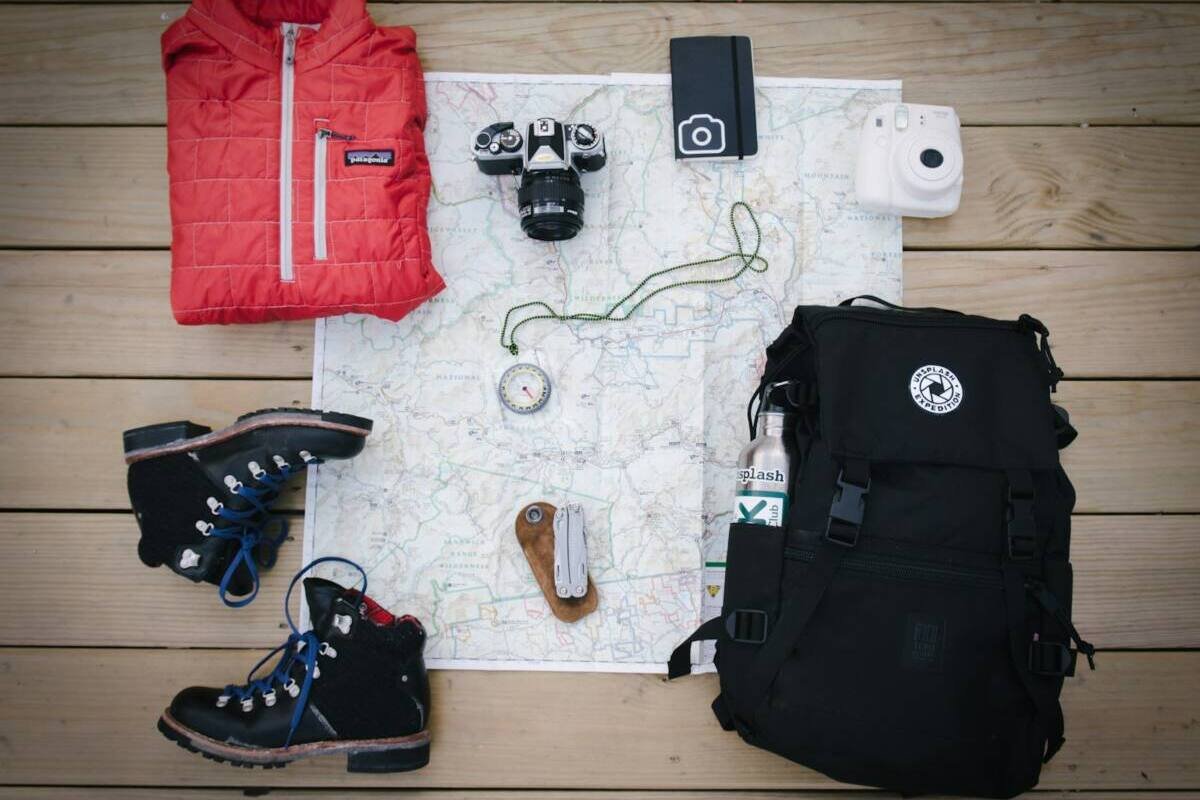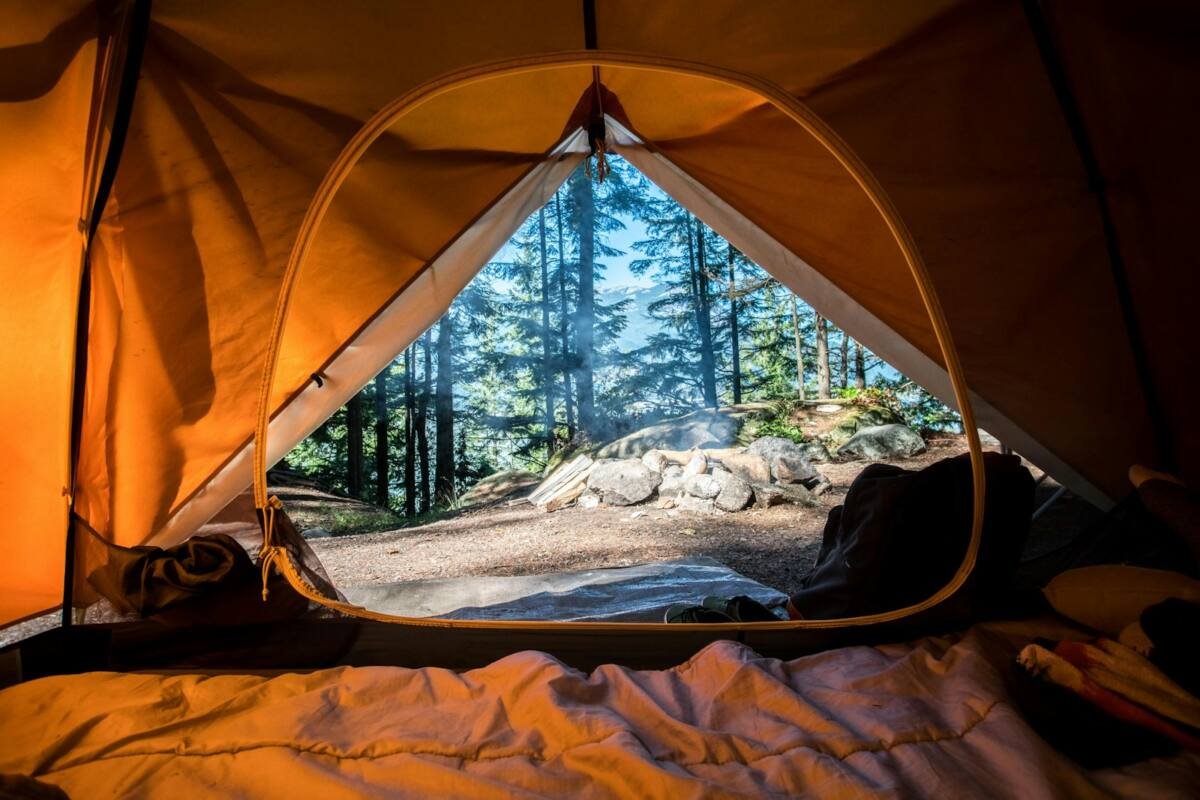
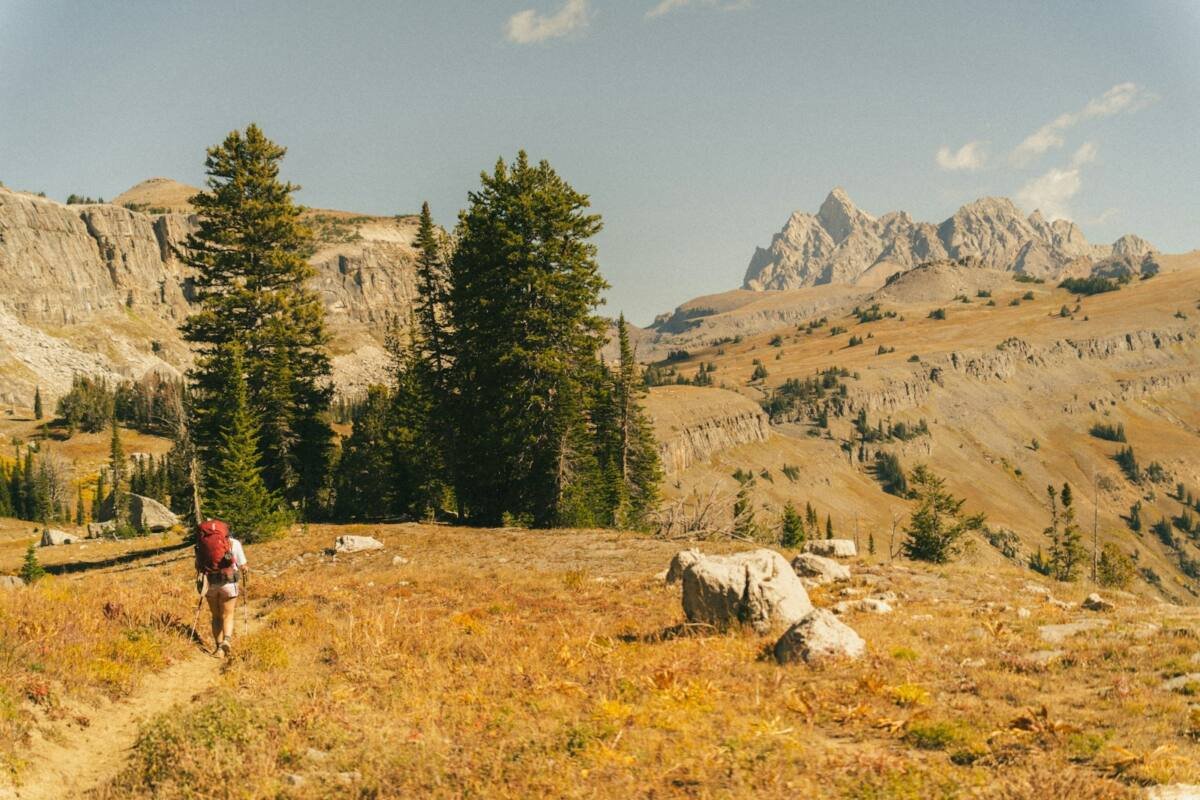
Fall hiking punishes gear choices that get away with sloppiness in summer. Freezing dawn starts, 30-degree afternoon swings, and trails that go from dry dirt to slick fallen leaves in an hour mean the difference between a great hike and a miserable one usually comes down to what’s in your pack, not how far you’re going.
Layering Is the Whole Game
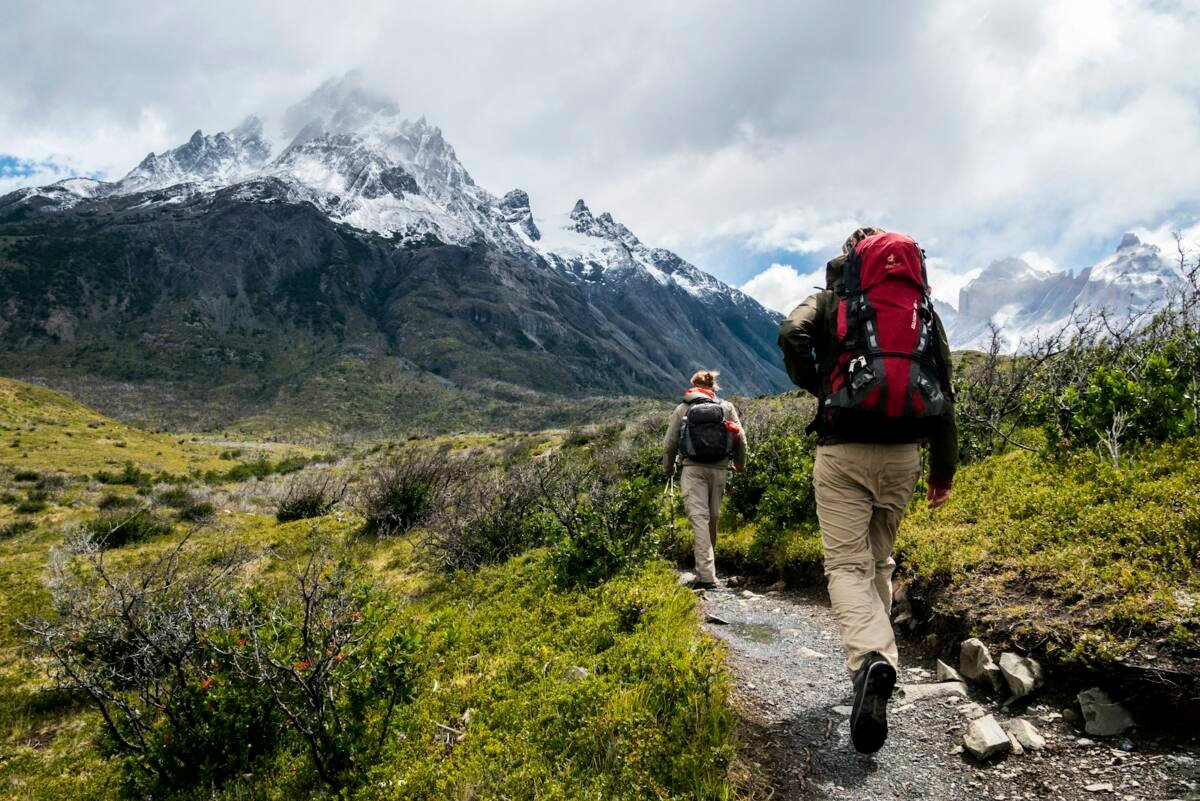
Fall’s defining challenge isn’t cold, it’s temperature swing — a 35-degree dawn can become a 65-degree afternoon on the same trail. A proper three-layer system handles that swing without forcing you to carry a single bulky jacket that’s either too warm or not warm enough all day.
- Base layer: a moisture-wicking shirt, never cotton — cotton holds sweat against your skin and turns cold fast once you stop moving
- Mid layer: fleece or a synthetic puffy that traps heat while still letting moisture escape
- Outer shell: a waterproof, windproof rain jacket with pit zips, since fall weather turns without much warning
The system only works if you actually use it — add and remove layers as your exertion level changes, rather than sweating through your mid-layer for the first hour and regretting it on the climb.
The Small Stuff That Makes the Biggest Difference
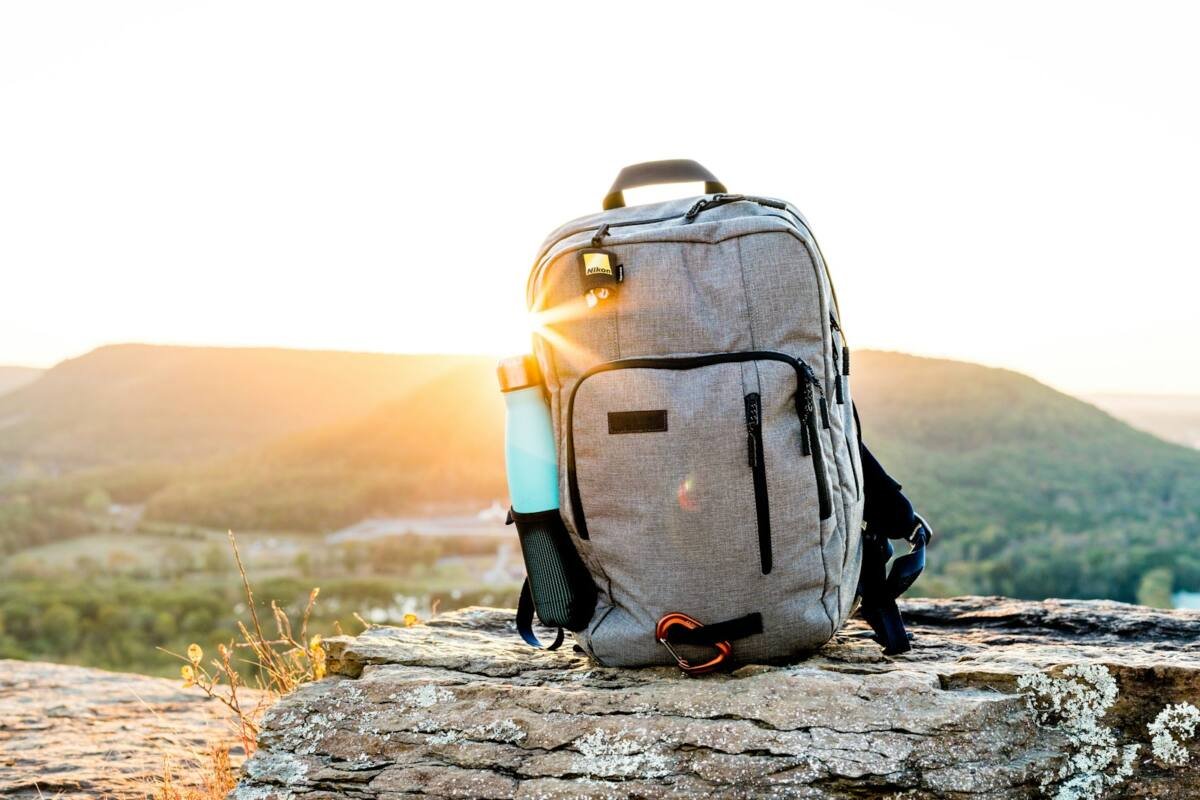
A wool beanie is the single lightest, cheapest way to increase how warm you feel — a huge share of perceived body heat escapes through your head, so a hat does disproportionate work for its weight. Pack it even if the forecast looks mild; a beanie you don’t need weighs nothing, and a cold morning without one is miserable. A thin pair of gloves earns the same logic for chilly starts, without the bulk of full winter mitts.
Footwear deserves the same seriousness as your layering system. Look for ankle support, a durable outsole with real traction, and waterproofing — wet feet in 40-degree weather aren’t just uncomfortable, they’re a real path to hypothermia on longer hikes.
Fallen Leaves Hide the Trail
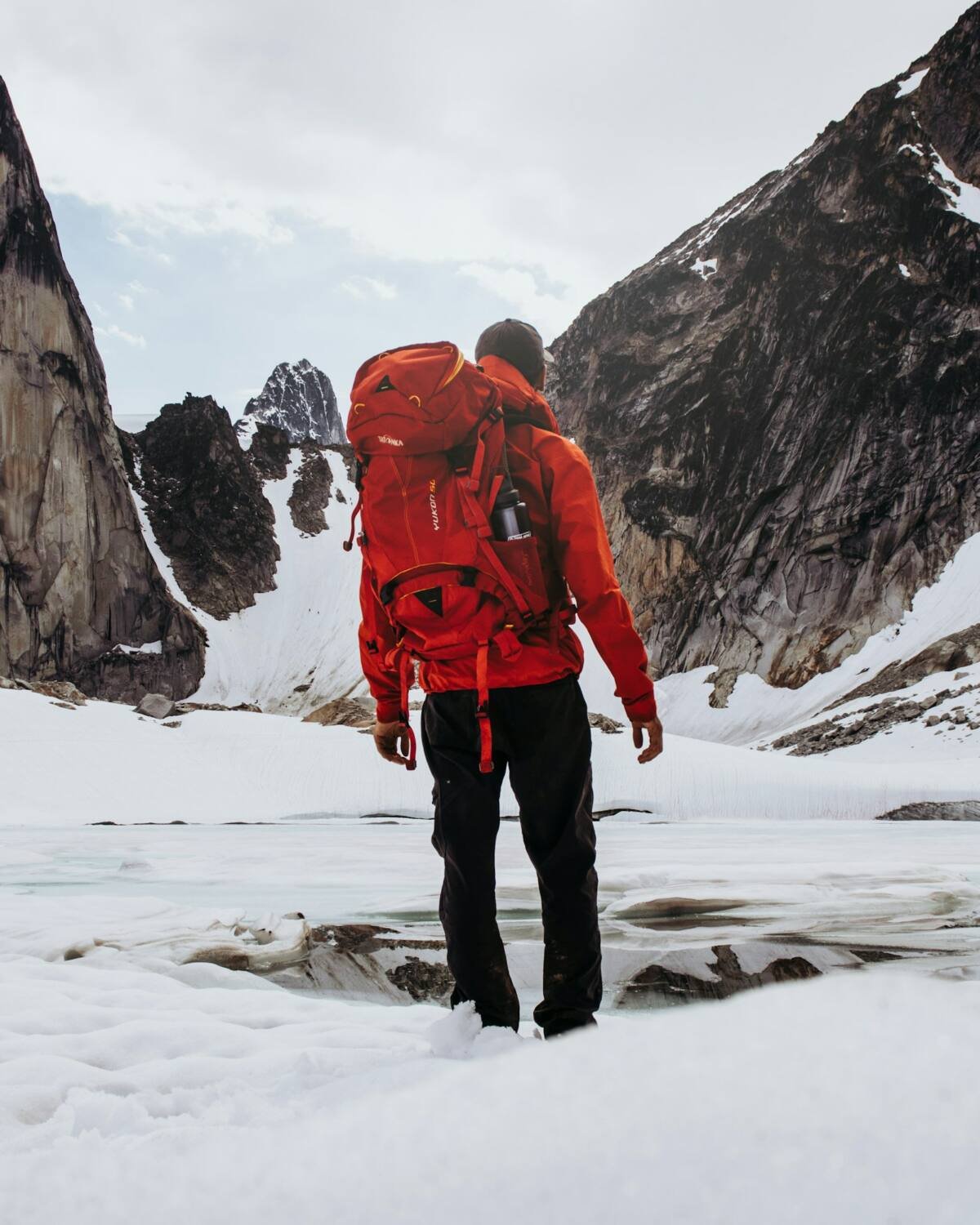
A thick carpet of fallen leaves can bury an otherwise obvious trail, and an early snowstorm can do the same thing overnight. This is exactly the season to carry an offline map with GPS navigation rather than relying on trail blazes alone — conditions change fast enough in fall that a route you hiked easily in summer can genuinely disorient you a few weeks later.
Fall also overlaps with hunting season across much of the U.S. Wearing hunter orange — even just a hat or vest — is a simple way to make yourself visible if you’re hiking in areas where hunting is permitted.
Your Fall Day-Hike Checklist
- Moisture-wicking base layer (no cotton)
- Fleece or synthetic puffy mid-layer
- Waterproof, windproof rain shell with pit zips
- Wool beanie and thin gloves
- Waterproof hiking boots with ankle support
- 20–40L daypack with waterproof fabric or a rain cover
- Offline map with GPS navigation
- Headlamp — daylight ends earlier than you expect this time of year
- Extra water and high-calorie snacks
- Hunter orange item if hiking in areas where hunting is active
Bottom Line
Fall hiking rewards preparation more than any other season — the trails are often at their most beautiful, but the weather is also at its least predictable. A proper layering system, a hat you almost didn’t bring, and an offline map are cheap insurance against the exact conditions that make this season both stunning and occasionally dangerous.
FAQ
What temperature swing should I plan for on a typical fall hike?
It varies by region, but a 20 to 30 degree swing between dawn and mid-afternoon is common in most temperate climates during fall, which is exactly why a removable layering system matters more than any single jacket.
Do I really need a rain jacket if there’s no rain in the forecast?
Yes. Fall weather changes quickly and forecasts are less reliable at elevation. A packable rain shell also doubles as a windbreaker on exposed ridgelines even when it never actually rains.
Why avoid cotton specifically?
Cotton absorbs sweat and rain and holds onto that moisture instead of wicking it away, which cools your body rapidly once you stop moving. In cold conditions, that’s a real risk factor for hypothermia.