
Affiliate disclosure: As an Amazon Associate we earn from qualifying purchases. Links to Amazon in this post may earn us a commission at no extra cost to you. Learn more.
This guide is for anyone who wants a camera that makes a physical print in about a minute, whether for a party, a trip or a bulletin board. Instant cameras are simple, but the choices that matter are not obvious from the box: print size, how close you can focus, what the batteries are, and what the film costs over time. Everything below is based on manufacturer specs and published reviews; we did not test these cameras ourselves.
What matters when buying
Film format comes first. Fujifilm’s instax line comes in three print shapes: mini (62 x 46 mm), square (62 x 62 mm) and wide (62 x 99 mm). The camera only takes its own film, so the format you choose is the format you keep buying. Bigger prints are nicer to display, but the cameras are bigger too.
Focus distance decides what you can shoot. Close-up range and flash range vary by model. A camera that focuses from 0.3 m suits selfies and table shots, while one with a 0.9 m minimum is aimed at groups and scenery.
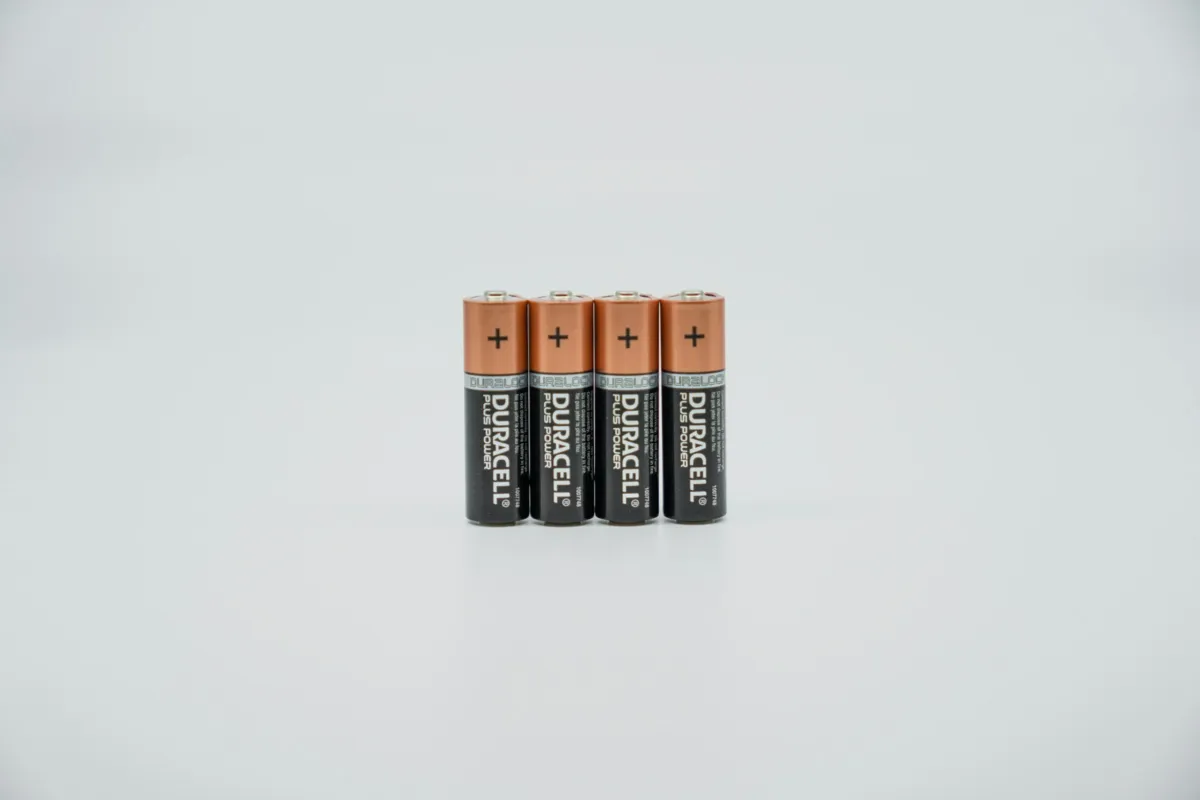
Check the batteries. Some models use common AA cells and others use CR2 lithium cells. Fujifilm notes that its AA-powered models need alkaline batteries and that manganese batteries are not supported, and that the batteries supplied are for trial use.
Film is the running cost. Film is sold separately and each shot uses a sheet, so look at the price per shot before you commit. We do not quote prices here because they change often.
What to ignore: megapixel-style marketing (these are analog prints), and promises of perfect exposure. Instant film has a narrow tolerance, and reviewers note that results can vary.
Quick picks
Fujifilm instax mini 12: for a simple first camera
Who it suits: beginners and casual users who want small prints and a simple camera.
- Fujifilm lists 62 x 46 mm prints, a close-up mode from 0.3 m to 0.5 m, and an auto-adjusting flash effective from 0.3 to 2.2 m.
- It runs on two AA alkaline cells, rated for about 10 film packs (roughly 100 shots), and weighs 306 g without batteries, strap or film.
- Digital Camera World (reviewer Gareth Bevan, updated November 2024) lists affordable, simple to use and a fun slow reveal as pros.
Drawback: the same review lists the size as still a little large, notes that the flash cannot be disabled, and says results are not always consistent. View Fujifilm instax mini 12 on Amazon.
Fujifilm instax WIDE 400: for groups and bigger prints
Who it suits: travelers and anyone who wants large prints of groups or scenery.
- Fujifilm lists 62 x 99 mm prints, two manual distance modes (normal from 0.9 m to 3 m, and landscape from 3 m and beyond) and a tripod socket.
- Power is four AA alkaline cells, rated for roughly 10 film cartridges, and film develops in about 90 seconds depending on temperature.
- Imaging Resource’s roundup (updated March 2026) names it the best wide-angle option, citing the largest instax prints and suitability for groups and travel keepsakes.
Drawback: at 616 g and 162 x 98 x 123 mm it is much bigger than the mini 12, and Imaging Resource lists it as bulky with limited shooting controls. That roundup’s text also mixes up the Wide 400 and Wide 300 names, so treat it as a general guide and check the model you buy. View Fujifilm instax WIDE 400 on Amazon.
Fujifilm instax SQUARE SQ40: for square prints and selfies
Who it suits: people who want a design-led camera with square prints.
- Fujifilm lists 62 x 62 mm prints, a built-in selfie mode for 0.3 m to 0.5 m and an auto-adjusting flash effective from 0.3 to 2.2 m.
- It runs on two CR2 lithium batteries, rated for about 30 film packs under Fujifilm’s test conditions.
- Imaging Resource’s roundup names it best overall, citing its retro design, larger square prints and easy handling.
Drawback: Imaging Resource notes it is slightly bulky with limited advanced settings, and at 453 g it is heavier than the mini 12. Fujifilm’s site also marks a newer instax SQUARE 2 as new, so check whether the SQ40 is still what you want before buying. View Fujifilm instax SQUARE SQ40 on Amazon.
Common mistakes
- Buying the camera without checking the film format and its running cost.
- Standing too close. Each model has a minimum distance, and prints from closer than that will be blurred.
- Using the wrong batteries. Fujifilm’s AA models call for alkaline cells.
- Expecting every print to be perfect. Reviewers report variable results, especially in bright sun or indoors up close.
- Choosing a large format and then leaving it at home because of its size.
Bottom Line
For an easy first instant camera, the mini 12 has the strongest published case on simplicity. For bigger prints and groups, the WIDE 400 is the larger option, and for square prints the SQ40 is the pick, with the newer-model caveat above. If you also shoot video or travel with gear, see our guides to action cameras, digital photo frames and camera backpacks.
FAQ
Can I use any film in an instax camera?
No. Each instax camera takes its matching film format: mini, square or wide. Fujifilm lists the mini 12 as using instax mini film and the WIDE 400 as using instax WIDE film.
How long do the batteries last?
Fujifilm rates the mini 12 at about 10 film packs and the WIDE 400 at roughly 10 film cartridges, depending on usage conditions. It rates the SQ40 at about 30 film packs under its test conditions.
How close can I stand to the subject?
The mini 12 and SQ40 focus from 0.3 m, with close-up and selfie modes for 0.3 m to 0.5 m. The WIDE 400’s normal mode starts at 0.9 m.
Featured image: Tom Barrett / Unsplash.
No comments yet. Be the first to share your thoughts below.