
Affiliate disclosure: As an Amazon Associate we earn from qualifying purchases. Links to Amazon in this post may earn us a commission at no extra cost to you. Learn more.
This guide is for anyone thinking about a robot vacuum for the first time, or replacing one that now bumps into everything. Robot vacuums vary enormously in price and features, so the trick is knowing which features earn their place in your home. We explain what to look for, then cover three Roborock models that span the range. A note on method: nobody here has tested them. The picks are based on manufacturer specs and RTINGS’ published verdicts, and each claim names its source. We have focused on one brand because those were the models whose specs we could verify; Dreame, iRobot and others make strong machines too.
What matters when buying a robot vacuum
Navigation. Better robots build a map of your home using a spinning laser sensor (LiDAR) and clean in tidy rows instead of bouncing around at random. Maps also let you set no-go zones and clean particular rooms from an app.
Obstacle avoidance. This is the difference between a robot that works while you are out and one that eats a charging cable. Some models add a camera or a structured light sensor to recognise objects. Roborock says its Qrevo Curv avoids 62 types of object, including in the dark, based on its own testing.
The dock. A basic base only charges the robot. A self-emptying dock also empties the dustbin, and more advanced ones wash and dry the mop pads. Roborock says the Qrevo Curv dock can go up to seven weeks between emptying, per its own testing. These docks are bigger and need water and upkeep.
Mopping. Look for mops that lift when the robot reaches carpet. Light mopping is good for maintaining hard floors but does not replace scrubbing a sticky spill.
Thresholds and carpets. Check the maximum threshold height the robot can climb, which Roborock lists as up to 3 cm for the Qrevo Curv, or up to 4 cm for double-layer thresholds.
What to mostly ignore. Suction figures in pascals (Pa) can only be compared roughly across brands, and a bigger number does not mean a cleaner floor on its own. Navigation, brush design and the dock matter more day to day.
Quick picks
Roborock Q7 M5: best budget pick, per RTINGS
Who it suits: People with mostly hard floors and modest carpets who want mapping without paying for a self-emptying dock. RTINGS calls it the best budget robot vacuum it has tested, citing strong cleaning performance and useful app features.
Strengths: Roborock lists 10,000 Pa suction, 360-degree LiDAR mapping with support for up to four floors, simultaneous vacuuming and mopping with three water flow levels, and a 3,200 mAh battery. The app supports Alexa, Siri Shortcuts and Google Home, a child lock and no-go zones.
Drawback: Roborock’s page does not mention a self-emptying dock, and it positions better obstacle avoidance as a feature of its Q10 series, so expect LiDAR navigation rather than object recognition.
Roborock Qrevo Curv: best for a hands-off routine
Who it suits: Busy households that want the robot to run on its own for weeks. It comes with a full-featured dock.
Strengths: According to Roborock, it has 18,500 Pa suction, PreciSense LiDAR plus a structured light sensor and RGB camera, dual spinning mops that lift, and a 6,400 mAh battery. The dock handles automatic dust emptying, hot-water mop washing at 75 degrees Celsius, warm-air drying and automatic water refilling. It can bypass objects as small as 5 cm wide and 3 cm tall, per Roborock’s testing.
Drawback: A dock that holds water tanks and washes mops takes up more floor space and needs more regular upkeep than a basic charging base. Most of these figures come from Roborock itself, so independent reviews are worth a read before you buy.
Roborock Saros 10R: top pick, per RTINGS
Who it suits: People who want the highest-ranked robot and are happy to spend more. RTINGS calls it the best robot vacuum it has tested.
Strengths: RTINGS highlights multiple solid-state LiDAR sensors and obstacle recognition, which it says give great obstacle avoidance without a tall profile. A low body helps the robot slide under sofas and beds.
Drawback: The sources we could check give only that headline verdict, not a full list of dock and mopping features, so read RTINGS’ full review and Roborock’s current spec sheet before you commit.
Common mistakes
The biggest mistake is buying more dock than you need. If you have hard floors and a small flat, a basic robot may be plenty. The second is not preparing your floor: pick up cables, socks and pet toys, because even good obstacle avoidance is not perfect. The third is forgetting your Wi-Fi. A robot that drops off the network cannot be controlled from your phone, so check your signal where it docks, and our guide to choosing a Wi-Fi 7 router explains how to improve coverage.
Finally, remember the upkeep. Brushes, filters and mop pads wear out, and you will need to empty the bin or clean the dock. If you also want to switch the dock on and off remotely, our guide to smart plugs covers what to check first.
Bottom Line
For most people with mixed floors, the Roborock Q7 M5 is a sensible, low-fuss starting point according to RTINGS. If you want the machine to run itself for weeks, the Qrevo Curv is the one to look at, and if you want the model RTINGS ranks first, that is the Saros 10R. Whatever you choose, consider your floors and your dock space before the brand name.
FAQ
Are robot vacuums good for carpets?
Many handle low-pile carpet well, but results vary. Look for strong suction, a good brush and, if the robot mops, mop pads that lift when it reaches carpet.
Do I need a self-emptying dock?
Not necessarily. It saves time if you have pets or a big home, but it adds cost and needs more space. A basic base is fine if you do not mind emptying the bin every few days.
How do robot vacuums avoid obstacles?
Budget models mostly bump and map walls with LiDAR. Higher-end models add cameras or structured light sensors to recognise objects such as cables and shoes.
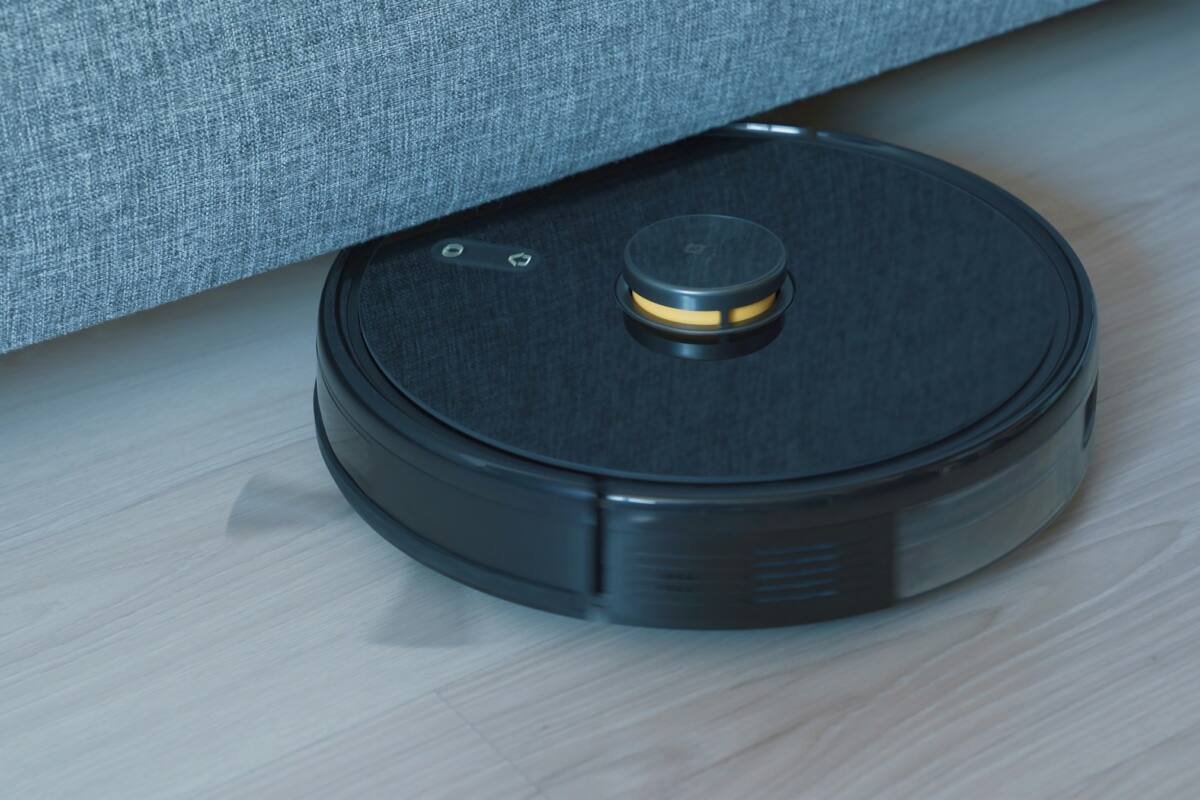
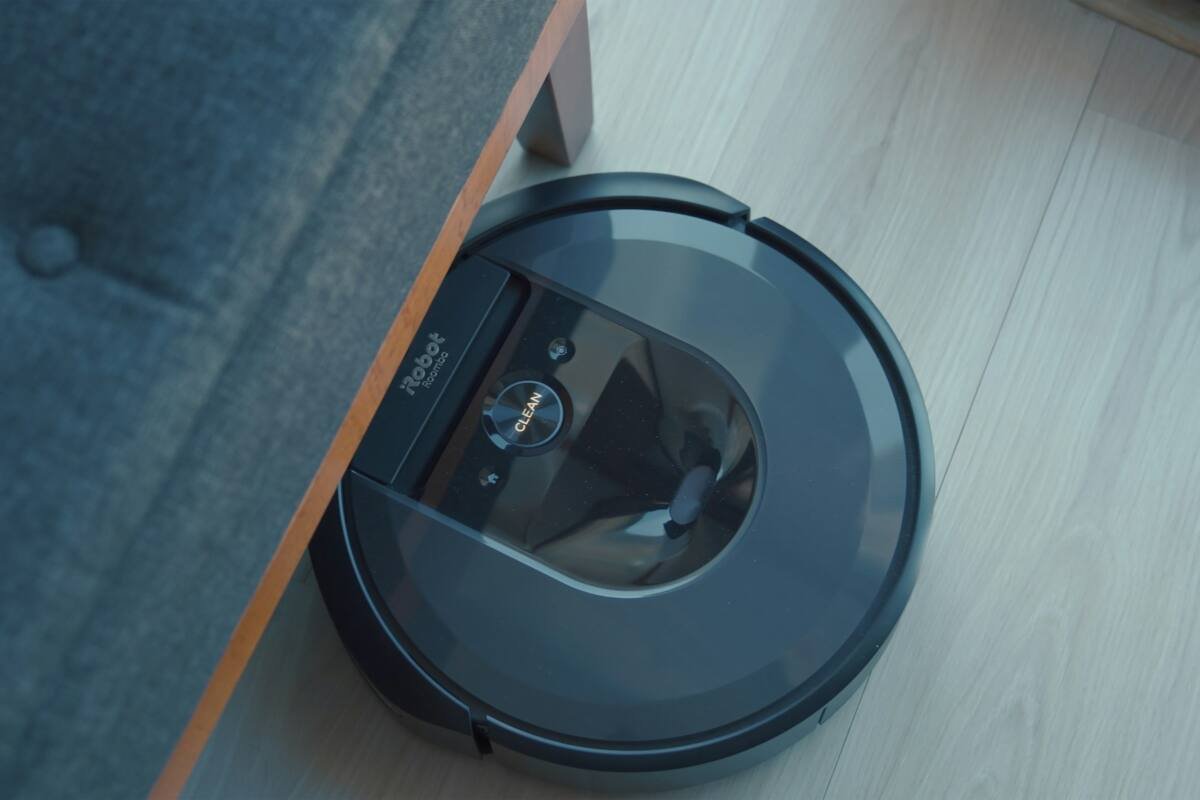
Featured image: Photo by Onur Binay on Unsplash. Inline image: Photo by Onur Binay on Unsplash (a different photograph). Both used under the Unsplash License.

No comments yet. Be the first to share your thoughts below.