
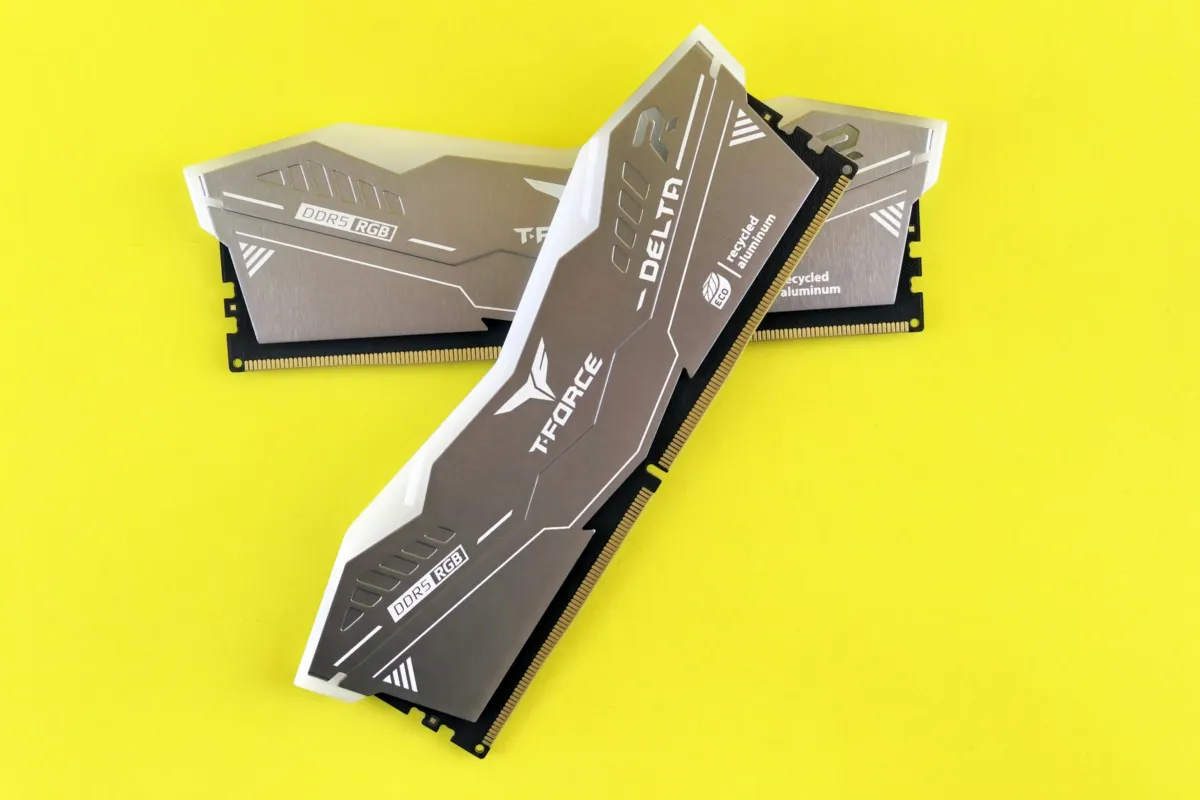
If you have priced a RAM upgrade this year, you have probably wondered whether somebody is playing games with the numbers. A federal judge in California has now said that question deserves to go to the next stage. Reporting from Tom’s Hardware, relayed by GamesRadar on November 16, says Judge Noël Wise has refused to throw out the antitrust class action against Samsung, SK hynix and Micron. Nothing has been proven. But the case is alive, and it is worth knowing what that does and does not mean for your wallet.
What the judge decided
The suit was filed on June 25 in the Northern District of California as Garciaguirre v. Samsung Electronics. Seventeen plaintiffs, a mix of consumers and small PC assembly and distribution firms, accuse the three companies, which together make roughly 90 percent of the world’s DRAM, of coordinating cuts to commodity memory production while pointing to the AI-driven shift toward high-bandwidth memory as cover. The complaint claims prices rose about 700 percent over four years. Those are the plaintiffs’ allegations, not findings.
The manufacturers asked the court to dismiss the case. Their argument was that it is a rerun of a similar suit from 2018 that went nowhere, and that when three companies dominate a market they naturally watch each other and react to the same pressures, which is not the same thing as a conspiracy. According to the reporting, the judge was unconvinced and said the defendants’ picture looked more like hawks flying in formation, something hawks do not ordinarily do.
What this ruling is not
A motion to dismiss asks a narrow question: if everything the plaintiffs say is true, is there a plausible legal claim? Surviving it means the claim can continue. It does not mean anyone did anything wrong.
The history cuts both ways. Samsung and SK hynix pleaded guilty to DRAM price fixing in 2005 over conduct between 1998 and 2002, and were fined $300 million and $185 million respectively, while Micron avoided prosecution by blowing the whistle. On the other hand, the earlier 2018 case that made similar claims was dismissed for lack of evidence. Judges tend to want proof of an actual agreement, not just matching behavior.
What happens next is slow. Per the report, the three companies have until December 7 for a case management conference, and further steps are not expected until early 2027.
What it means if you are buying RAM
Short version: nothing changes at the checkout this month. Lawsuits take years, and a settlement or verdict would not cut the price of the kit in your cart. The squeeze on supply is also real whatever a court decides. AI data centers are absorbing huge amounts of memory, and the same coverage notes that all three makers have slowed DDR4 production, which pushes more buyers toward the DDR5 that most new builds already use.
So plan around your own needs, not the courtroom calendar. Buy the capacity your workload actually uses; 32GB is a comfortable target for gaming and everyday work, and 16GB still handles lighter use. If you are shopping for a whole machine rather than loose sticks, check how the memory is installed before you pay, because soldered memory cannot be upgraded later. Our guide to choosing a mini PC explains what to look for on that front. If the thing you really need is storage, the NVMe SSD guide for PS5 and PC covers heatsinks, PCIe speeds and endurance.
One more thing: do not rush a purchase because of a headline in either direction. A court filing is not a price forecast.
Bottom Line
The lawsuit going forward is real news, but it is a legal milestone, not a pricing one. The allegations remain unproven, the earlier 2018 suit failed, and any answer is more than a year away. Buy memory when you need it, in the size you need, and treat the courtroom drama as something to watch rather than something to wait on.
FAQ
Does this ruling mean Samsung, SK hynix and Micron fixed prices?
No. The judge only decided that the case is plausible enough to continue past the dismissal stage. The companies argue they are responding to market pressures, and the plaintiffs still have to produce evidence of actual coordination.
Will RAM get cheaper because of the lawsuit?
Not on any timeline that matters for a purchase today. The next court dates reported are December 7 and then early 2027, and prices are being driven mainly by demand from AI data centers and reduced DDR4 output.
Should I buy RAM now or wait?
Buy when you have a need, and buy only the capacity you will use. Nobody can responsibly promise where prices go from here, and waiting on a court case is not a strategy.
Featured image: Photo by Andrey Matveev on Unsplash.
No comments yet. Be the first to share your thoughts below.