
Affiliate disclosure: As an Amazon Associate we earn from qualifying purchases. Links to Amazon in this post may earn us a commission at no extra cost to you. Learn more.
This guide is for anyone shopping for a smart speaker to play music, set timers and control lights, and who wants to avoid buying into the wrong ecosystem. The hardware is only half of the decision. The voice assistant, the apps it connects to and the smart home standards it supports decide whether the speaker is still useful in two years. Here is what to weigh and three speakers worth a look, based on manufacturer specs and published coverage, not our own testing.
What matters when buying
Start with your phone and your assistant. If you use an iPhone and Apple Music, a HomePod fits naturally. If you already use Alexa routines or Amazon services, an Echo is the easier fit. A speaker from a different ecosystem can often still play music over Bluetooth or AirPlay, but its voice features will feel limited.
Smart home standards. Look for Matter and Thread support if you plan to add smart plugs, lights or locks. A speaker that can act as a hub or Thread border router simplifies setup. Our guide to choosing a smart plug and what Matter support means explains why this matters.
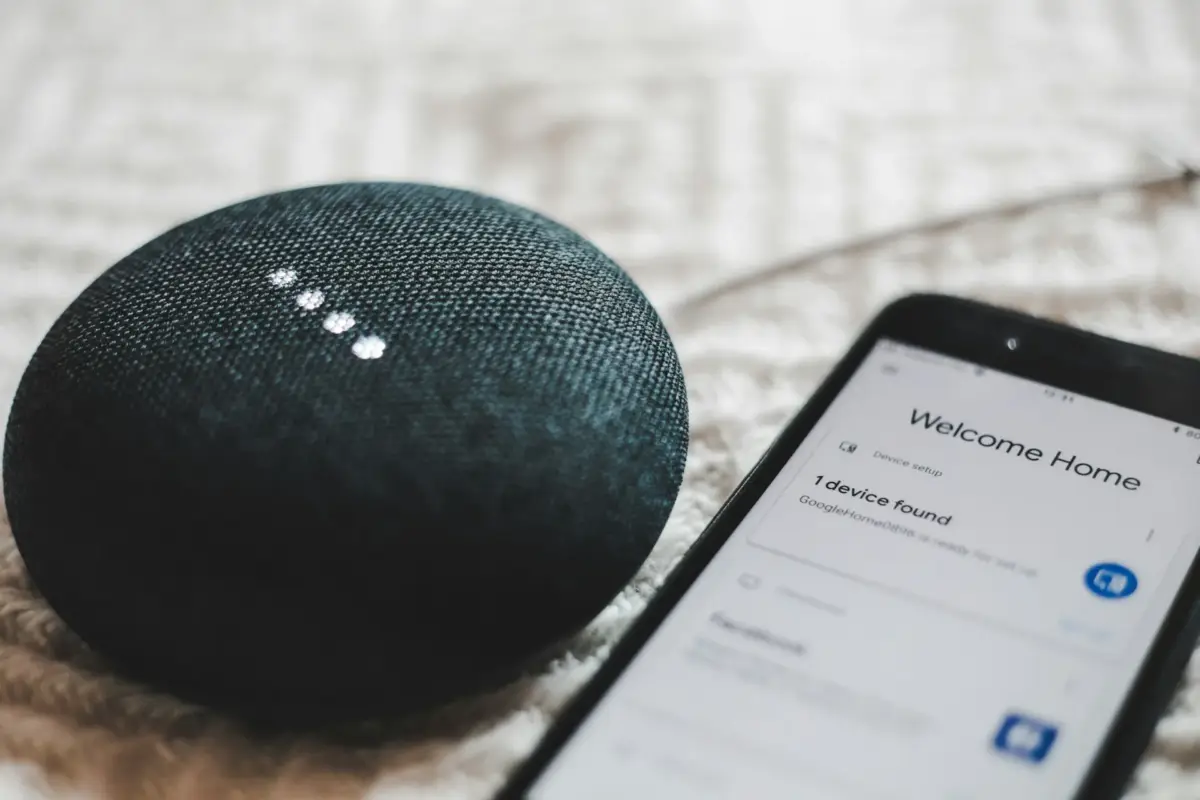
Sound versus convenience. A small speaker is fine for timers and news. If you will listen to music, bass and stereo pairing make a bigger difference than any voice feature. Larger speakers cost more and take up more space, and some require a separate app for setup.
Privacy. Any speaker with a microphone listens for a wake word. Look for a physical mute switch, clear data controls and a way to delete voice history. Also check whether new AI features need a subscription; coverage of Amazon’s latest Echo devices did not make Alexa+ requirements clear, as we noted in our roundup of Amazon’s new Echo lineup.
What to ignore: wattage claims and “360-degree sound” labels, which tell you little about how the speaker actually sounds. Read reviews that describe sound quality in plain terms instead.
Quick picks
Amazon Echo Dot (latest model)
Who it suits: Alexa households that want an affordable speaker that doubles as a smart home hub. Based on TechCrunch and Engadget coverage of Amazon’s October 28 event, the updated Echo Dot has an upgraded speaker, four beamforming microphones and Amazon’s AZ3 chip, works as a hub for Zigbee, Thread and Matter devices, and can double as an eero Wi-Fi extender. Drawback: the coverage we reviewed did not spell out what Alexa+ requires on these devices, and it is a small speaker, so serious music listening is better served by a larger model. Find the Amazon Echo Dot on Amazon.
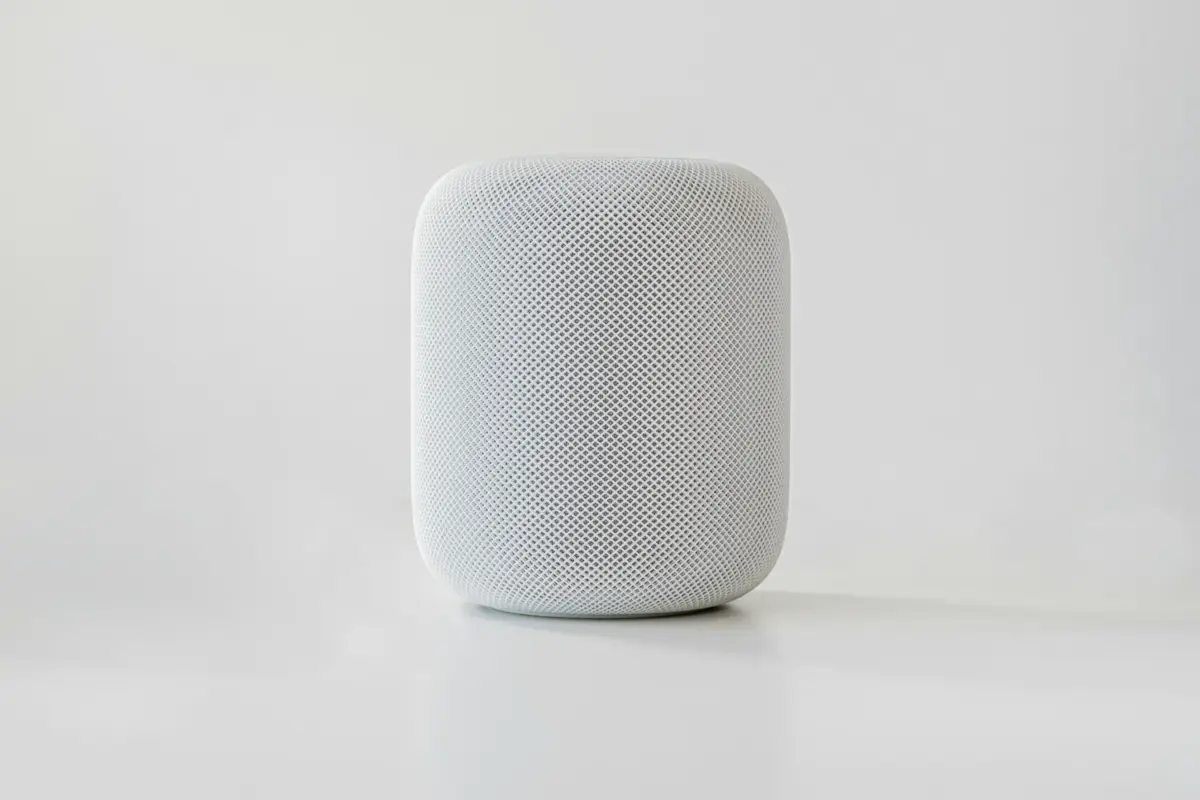
Apple HomePod (2nd generation)
Who it suits: iPhone owners who want strong sound and HomeKit control. Apple lists a 4-inch high-excursion woofer with five tweeters, room sensing, Spatial Audio with Dolby Atmos, stereo pairing, a temperature and humidity sensor, Thread support and a Thread border router role. Reviewed.com’s smart speaker guide named it best for HomeKit. Drawback: Reviewed notes it is expensive and works only with Apple devices, and Apple says Dolby Atmos video content needs an Apple TV 4K. Find the Apple HomePod on Amazon.
Sonos Era 300
Who it suits: people who care most about sound and want a speaker that works across assistants and services. Sonos lists six drivers including four tweeters and two woofers, Dolby Atmos Music support over Wi-Fi with compatible services, Bluetooth 5.3, AirPlay 2, and a USB-C line-in that needs a separate adapter. It works with Sonos Voice Control and Amazon Alexa, and a mic switch cuts power to the microphone hardware. Reviewed.com picked it for best sound. Drawback: Reviewed finds the Sonos app search awkward and setup depends on the app, and it is a premium-priced speaker. Find the Sonos Era 300 on Amazon.
Common mistakes
Buying a speaker outside your ecosystem and then being surprised that voice commands or music services are limited. Treating a smart speaker as a security device. Sound Recognition features, such as the smoke and carbon monoxide alarm sound alerts Apple lists for HomePod, come with Apple’s own warning not to rely on them in emergencies. Forgetting the mic switch. Know where the mute control is before you place it in a bedroom. Buying many small speakers for music when one better speaker or a stereo pair would sound clearer. If you want something portable for outdoors instead, our portable Bluetooth speaker guide covers that case.
Bottom Line
Pick the ecosystem first, then the sound. The Echo Dot suits Alexa homes and basic smart home control, the HomePod suits iPhone households, and the Sonos Era 300 is the pick when sound quality comes first. Check current availability and the latest reviews before buying.
FAQ
Do I need a smart speaker to use Matter devices?
Not always. Many Matter devices work through a phone app, but a speaker or display that acts as a hub or Thread border router can make setup and remote control simpler, particularly for Thread devices.
Can a smart speaker work without an internet connection?
Mostly not. Voice assistants rely on cloud services, so most features stop without internet. Some speakers can still play audio over Bluetooth or from a line-in source.
Are smart speakers always listening?
They listen locally for a wake word. Check each company’s privacy settings for what is stored afterwards, and use the mute switch if you want the microphone off. The Sonos Era 300, for example, has a switch that cuts power to the microphone hardware.
Featured image: Photo by Nicolas Lafargue on Unsplash. Specs from Apple and Sonos product pages, Reviewed.com’s smart speaker guide, and TechCrunch and Engadget coverage of the Echo Dot.

No comments yet. Be the first to share your thoughts below.