
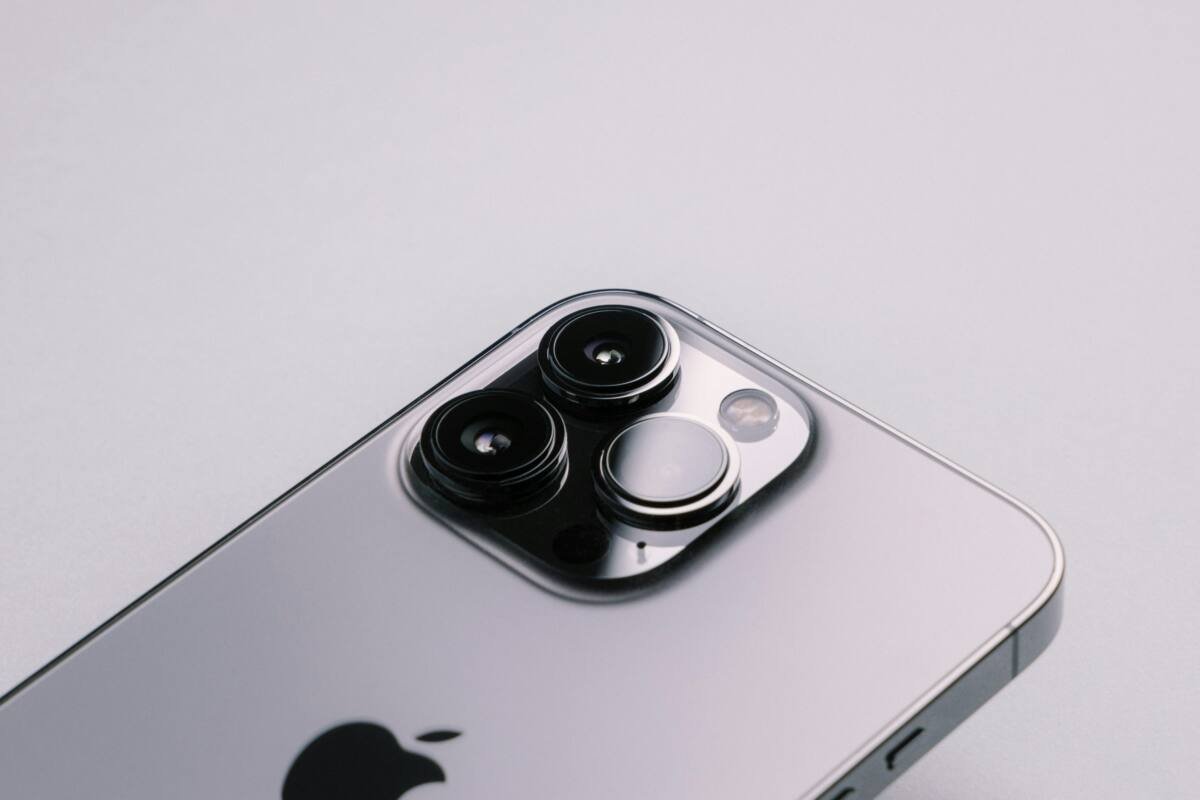
Apple’s newest iPhones are selling more slowly than it planned, and the price is getting the blame. Nikkei Asia reports Apple has told some suppliers to cut production of components for the iPhone 18 Pro and Pro Max, with October orders down 15% to 20% from the original requests. Apple has not commented, and the numbers come from unnamed supply chain sources, but the story fits the memory-chip squeeze we covered when Qualcomm unveiled its latest Snapdragon chips: memory has become so expensive that it is changing what phones cost.
What Nikkei Reported
Nikkei Asia says Apple has been more cautious about shipments since early September. Two suppliers confirmed that October component orders were cut by at least 15%, and one executive-level source put the reduction at 15% to 20% for both Pro models. The cut will not hit every supplier equally in October because of differing production lead times, and it is unclear whether more cuts will follow in November. As that source put it, “we don’t know how things would develop from here.”
The Price Is the Problem
The iPhone 18 Pro starts at $1,199 and the Pro Max at $1,299, each $100 more than the models they replaced. Apple has publicly blamed AI-driven memory chip costs for price increases across its lineup. TrendForce projected in a late-September report that general-purpose DRAM contract prices will rise another 10% to 15% in the fourth quarter, with NAND flash up 15% to 20%. Suppliers told Nikkei the price hike is the main drag on demand.
One hardware detail is worth noticing. The iPhone 18 Pro models ship with 12GB of RAM, the same as last year’s 17 Pro. MacRumors reports a rumor that Apple planned 16GB and backed off, which, if true, would fit the cost pressure.
Other Factors Suppliers Point To
Pricing is not the only theory. Apple did not release a standard iPhone 18 alongside the Pro models, and that phone is expected in early 2027, which delays the component orders a full-lineup launch normally brings. Even so, suppliers told Nikkei the staggered schedule alone does not explain the weaker demand. The first weeks have also been bumpy for buyers, with a Face ID restart bug fixed in iOS 27.0.1 and a speaker crackling issue that the update did not fix.
Does This Mean Cheaper iPhones?
Probably not. Because Apple raised prices, Nikkei notes softer unit demand “won’t immediately translate to lower revenue” for the company, which means little pressure to discount. Apple’s shares fell on the report Friday, according to Benzinga, but nothing in the coverage suggests a price cut is coming. If you are weighing an upgrade, TechRepublic’s advice is sensible: compare what you actually gain over your current phone, including software support, instead of assuming supplier cuts will lead to discounts.
Bottom Line
This is a supply-chain report built on anonymous sources, so treat the exact percentages as estimates, not Apple’s official numbers. What is harder to dismiss is the pattern: when a phone costs $100 more and much of the extra cost is memory, some buyers wait. If you were planning to upgrade this fall, there is no sign of a price drop coming, and the 12GB of RAM matches last year’s model, so check what else the 18 Pro actually changes for you before paying the premium.
FAQ
How much did Apple cut iPhone 18 Pro orders?
Nikkei Asia reports October component orders for the iPhone 18 Pro and Pro Max were cut 15% to 20% from Apple’s original requests, based on unnamed supply chain sources. Apple has not commented.
Why did the iPhone 18 Pro get more expensive?
Apple raised the Pro and Pro Max by $100 each, to $1,199 and $1,299, and has blamed rising memory chip costs driven by AI demand.
Will the iPhone 18 Pro get cheaper because of the cuts?
There is no sign of it. Nikkei notes the higher price means weaker unit demand won’t immediately reduce Apple’s revenue, which lowers the pressure to discount.
Featured image: Photo by Howard Bouchevereau on Unsplash.