The robotaxi race just went from a handful of pilot cities to a genuine land grab. On September 1, Waymo and Amazon’s Zoox separately announced expansions into new U.S. markets on the same day, a coincidence that says a lot about how fast this industry is moving right now.
Waymo Adds Three Cities, Eyes 1 Million Weekly Rides
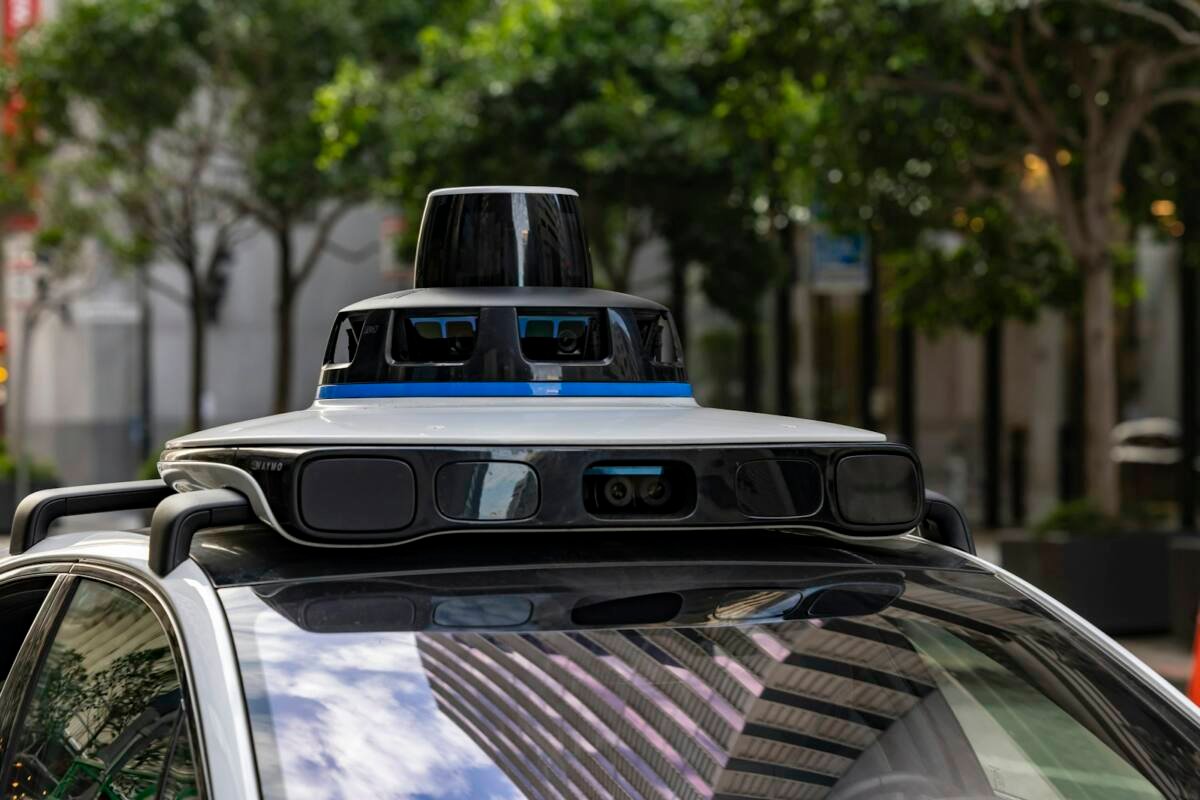
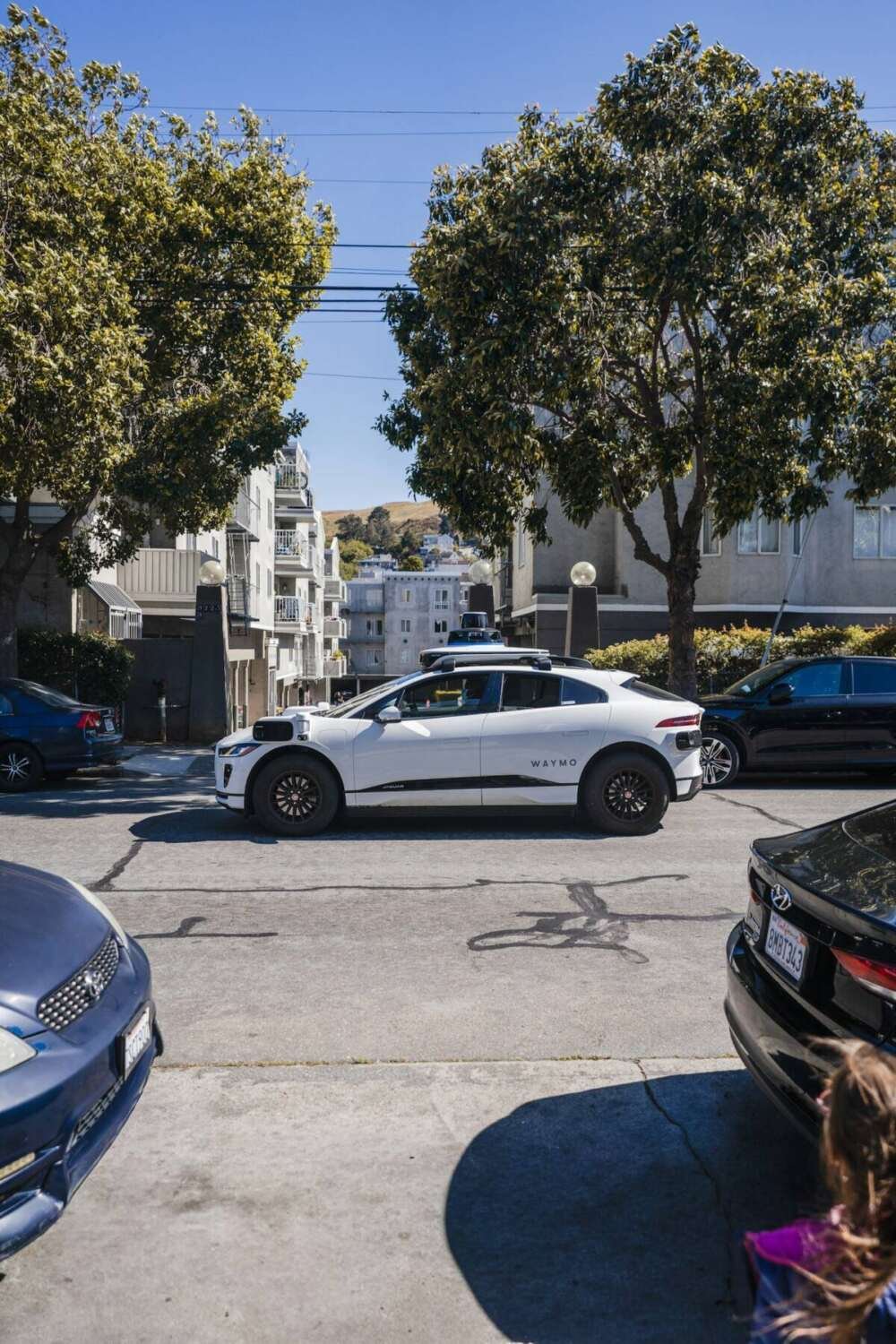
Waymo is now welcoming public riders in Denver, San Diego, and Tampa, bringing its fully autonomous ride service to 14 U.S. cities and marking the company’s first commercial operations in Colorado. A company spokesperson said each new market will start with dozens of robotaxis, scaling to “hundreds over time,” with riders booking directly through the Waymo app. Alphabet’s self-driving unit now runs more than 4,000 vehicles nationwide and provides over 500,000 paid rides every week — a number it’s aiming to push past 1 million by the end of 2026.
Zoox Is Still Playing Catch-Up, But Closing In
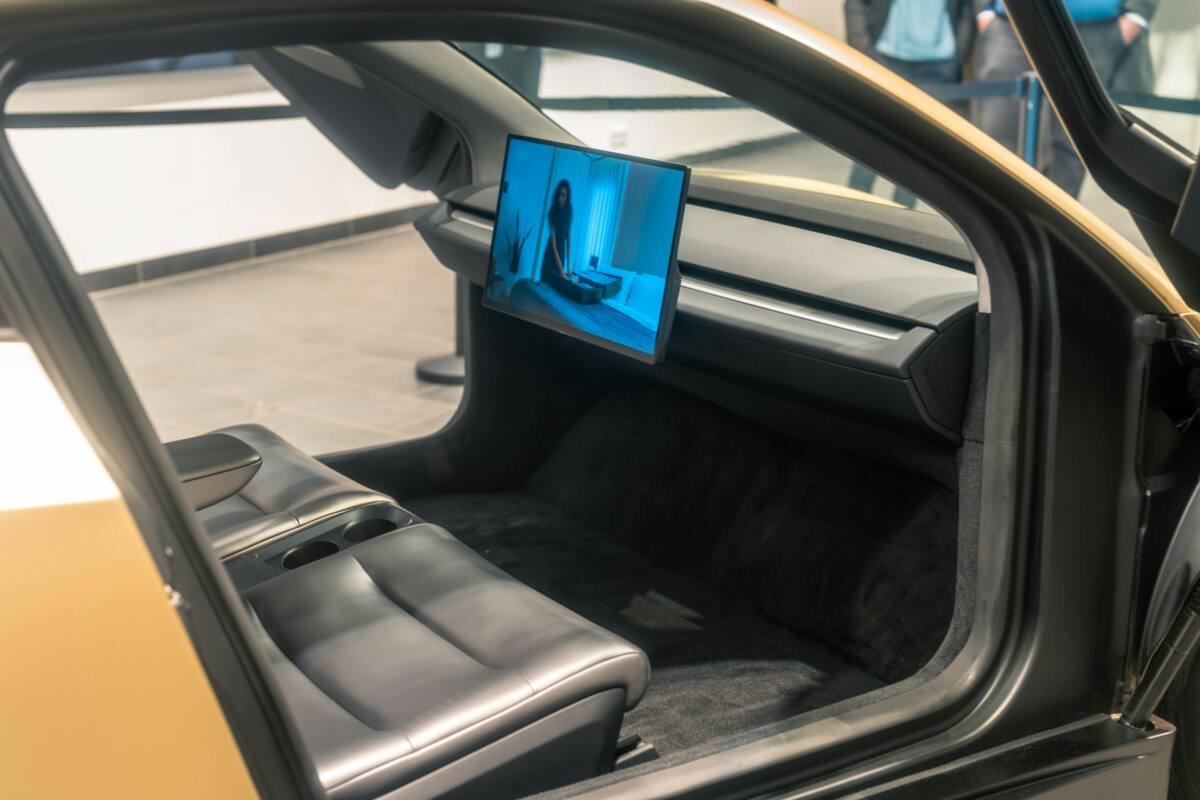
Amazon’s Zoox announced it will begin testing in Houston and San Diego, bringing its footprint to 12 U.S. locations — though for now those cities get retrofitted test vehicles with human safety drivers, not the company’s purpose-built, steering-wheel-free robotaxi. Zoox only started charging for rides in Las Vegas this past August, its first paid commercial service after years of free promotional trips in San Francisco, Austin, and Miami. It’s a much smaller footprint than Waymo’s, but the direction is the same: real revenue, not just pilot programs.
Why the Timing Isn’t a Coincidence
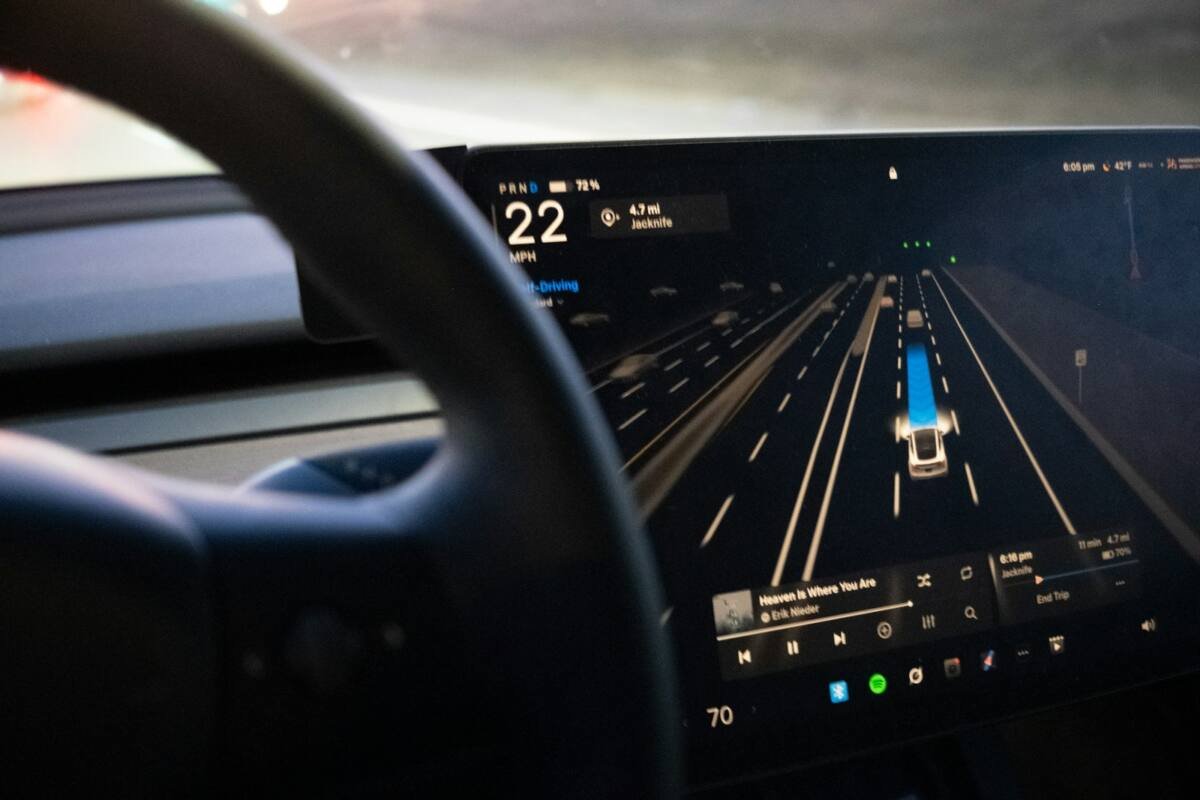
Both companies expanding on the same day reflects a market that’s shifted from cautious pilots to genuine competition for market share — and Tesla is reportedly preparing its own expanded robotaxi push as well. Waymo’s approach in each new city follows the same playbook: benchmark its driving performance against a proven safety baseline before adjusting to local road conditions, then scale gradually rather than launching a full fleet on day one.
Bottom Line
If you live in Denver, San Diego, Tampa, or Las Vegas, autonomous rides just became a lot more real, not theoretical. Waymo’s scale advantage remains commanding, but Zoox’s push into new testing markets and Tesla’s rumored plans mean 2026 is shaping up to be the year robotaxis stop being a novelty and start being genuine transportation infrastructure in a growing list of American cities.
FAQ
Can I hail a Waymo without the app?
In most markets you need the Waymo app directly, though in some cities Waymo rides are also bookable through Uber.
Does Zoox have driverless rides yet in the new test cities?
Not yet in Houston or San Diego — Zoox is using retrofitted vehicles with human safety drivers for initial mapping and testing before deploying its purpose-built, driverless robotaxi there.
Which company has more robotaxi rides right now?
Waymo, by a wide margin — over 500,000 paid rides weekly across 14 cities, compared to Zoox’s single paid market in Las Vegas.