
Affiliate disclosure: As an Amazon Associate we earn from qualifying purchases. Links to Amazon in this post may earn us a commission at no extra cost to you. Learn more.
This guide is for anyone shopping for a general-purpose tablet for streaming, reading, video calls and family use, rather than for drawing or heavy work. The choice mostly comes down to which apps you need and how much you want to spend. Everything here is based on manufacturer specification pages and published reviews, not hands-on testing, and we leave out prices because they shift constantly.
What matters when buying
The app ecosystem comes first. Before screen size or chip, check that the apps you rely on are available on the tablet’s platform. An iPad runs the App Store, while Amazon’s Fire tablets run Fire OS. Android Central notes in its Fire tablet guide that Google apps are not included on the Fire models it covers, and that on the Fire Max 11 the Play Store is only available by sideloading. If your family relies on Google services, factor that in.
Screen size and sharpness. A bigger screen is better for video and reading magazines, but it is heavier to hold. Resolution matters most at larger sizes. The iPad (A16) has a 10.86-inch screen at 2360 x 1640 pixels, while the Fire HD 10 has a 10.1-inch 1920 x 1200 display.
Storage and expandability. Apps and downloaded video fill space quickly. Amazon lists microSD support up to 1TB on its Fire tablets, while Apple’s spec page lists 128GB, 256GB or 512GB with no card slot. If you plan to download shows for trips, either buy more storage or pick a model that takes a card.
Battery claims. Every maker’s number comes from its own test conditions. Apple says up to 10 hours of web browsing or video on Wi-Fi, Amazon claims 13 hours for the Fire HD 10 and 14 for the Fire Max 11. Treat them as comparisons within the same brand and read independent battery tests when they exist.
Accessories. Keyboards, cases and styluses are often extra. Android Central points out that the Fire Max 11’s keyboard, case and stylus are sold separately, and Apple lists support for the Apple Pencil (USB-C) and the first-generation Apple Pencil.
What to ignore. Camera megapixels matter little on a tablet you use for streaming and reading, and RAM figures cannot be compared across different systems. If you mainly read books, a dedicated e-reader may suit you better, as our e-reader guide explains.
Quick picks
Apple iPad (A16): for people who want the widest app choice
Apple’s tech specs list a 10.86-inch Liquid Retina display at 2360 x 1640 and 500 nits, an A16 chip, and storage of 128GB, 256GB or 512GB. It has 12MP front and rear cameras, Wi-Fi 6 and Bluetooth 5.3, and a USB-C port. Apple rates battery life at up to 10 hours for web or video on Wi-Fi, and the Wi-Fi model weighs 1.05 pounds. The drawback is that Apple lists the USB-C port as USB 2.0, so moving big files is slow, and there is no storage expansion. If you are curious about Apple’s newest small tablet, see our coverage of the OLED iPad mini. Search for the Apple iPad (A16) on Amazon.
Amazon Fire HD 10 (2023): for streaming and sharing at home
Amazon’s developer specifications list a 10.1-inch 1920 x 1200 IPS display, 3GB of RAM, 32GB or 64GB of storage with microSD up to 1TB, and a claimed 13 hours of battery life. Android Central praises the Full HD screen, the dual stereo speakers with Dolby Atmos, and the storage compared to rivals. It also lists low-resolution cameras and a somewhat heavy body as drawbacks. The Google apps point above applies, so check your app list first. Search for the Fire HD 10 on Amazon.
Amazon Fire Max 11: for a bigger screen and a stylus
Amazon lists an 11-inch 2000 x 1200 IPS display, 4GB of RAM, 64GB or 128GB of storage with microSD up to 1TB, and a claimed 14 hours of battery life. Android Central calls it the biggest Fire screen, notes USI 2.0 stylus support and says it performs better than expected. Its cons are that the display is limited to 60Hz, accessories are sold separately and the Play Store is only available through sideloading. Search for the Fire Max 11 on Amazon.
Which one fits you
If you want the largest app selection and a long software life, the iPad is the safer choice. If you mostly stream video and read, and want expandable storage, the Fire HD 10 covers the basics. The Fire Max 11 suits people who want a larger screen and are comfortable with Amazon’s app store.
Common mistakes
The most common mistake is buying on screen size alone and then discovering a favorite app is missing. Another is buying the smallest storage option for a tablet that will hold downloaded video. Check also whether the tablet you are buying is the current model, because older generations stay on sale. Finally, count the cost of accessories, since a case, keyboard and stylus can add up quickly.
Bottom Line
Pick the iPad if apps and longevity matter most, the Fire HD 10 for a streaming-first home tablet, and the Fire Max 11 if you want more screen. Start with the apps you need and the storage you will use, and treat battery numbers as rough guides.
FAQ
Do Fire tablets have the Google Play Store?
Android Central notes that Google apps are not included on the Fire tablets it covers, and that on the Fire Max 11 the Play Store is available only through sideloading. Check which apps you need before buying.
Can I add storage to an iPad?
Apple’s spec page lists 128GB, 256GB and 512GB options for the iPad (A16) and no card slot, so choose your storage at purchase. Amazon’s Fire tablets accept microSD cards up to 1TB.
How long will the battery last?
Apple claims up to 10 hours of web browsing or video for the iPad (A16), and Amazon claims 13 hours for the Fire HD 10 and 14 for the Fire Max 11. These are vendor figures from their own tests, so real use may differ.
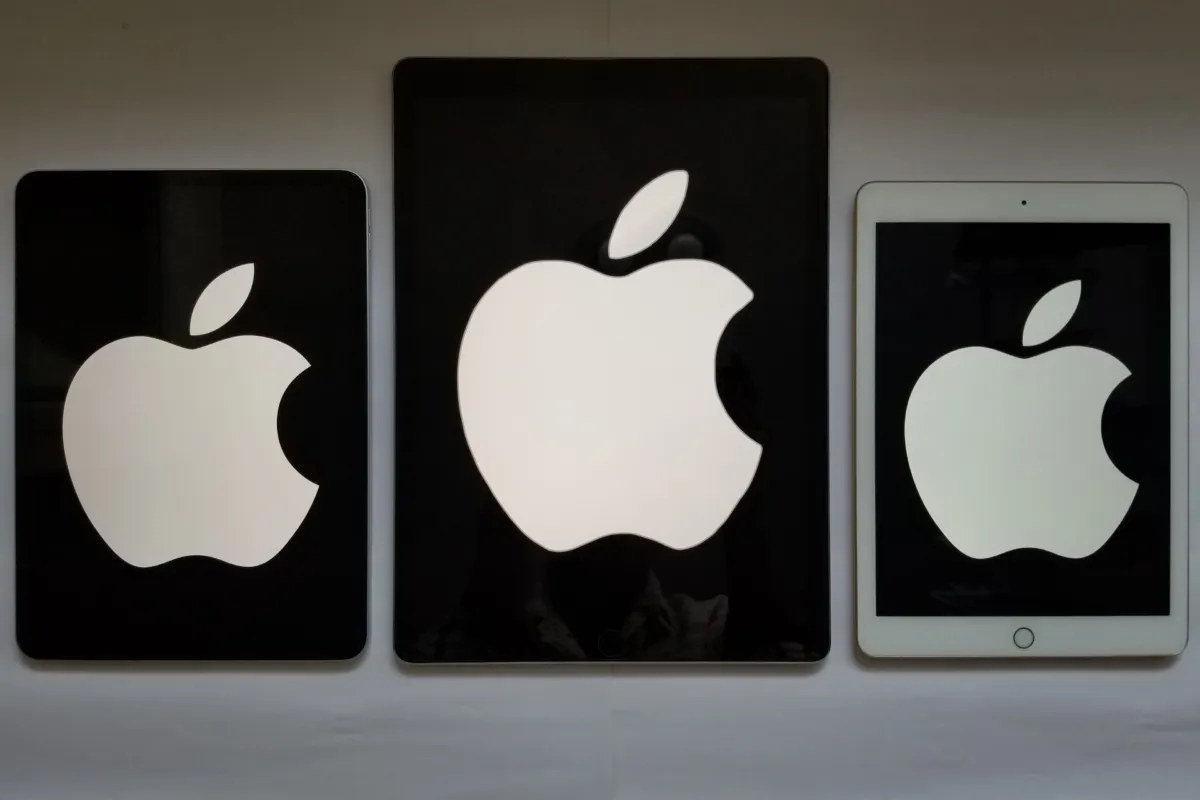
Featured image: Photo by Peng Jiajie via Wikimedia Commons, CC BY-SA 4.0 (Apple iPad tablets).
No comments yet. Be the first to share your thoughts below.