

Qualcomm just unveiled two new flagship Android chips built to run serious AI entirely on the phone, no internet connection required. The launch lands at an awkward moment: a global memory shortage is already driving smartphone prices up and shipments down, right as Qualcomm asks the market to absorb its most AI-hungry chips yet.
A Phone Chip That Runs a 30-Billion-Parameter Model Offline
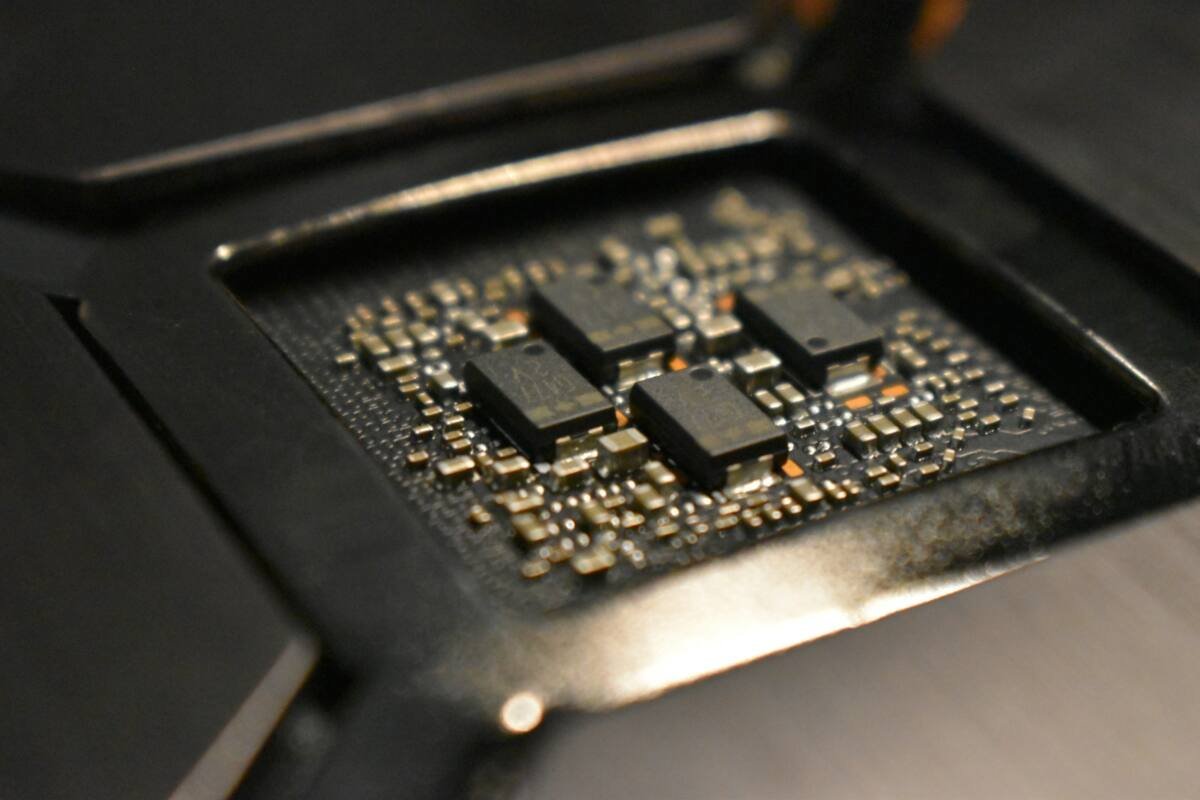
The Snapdragon 8 Elite Gen 6 and its more powerful sibling, the Snapdragon 8 Elite Extreme Gen 6, are both built on TSMC’s 2-nanometer process and set to appear in premium phones from Motorola, Xiaomi, and ZTE. The Extreme variant can run AI models with up to 30 billion parameters directly on the device, with no round trip to a data center required. Each chip pairs a CPU, GPU, and a dedicated neural processing unit built specifically to handle background AI agents, alongside new security features that control what data those agents are allowed to reach.
“Agentic,” Not Just Smart
Speaking at Qualcomm’s Snapdragon Summit in Maui, CEO Cristiano Amon framed the shift bluntly: the industry is moving “from what is a very phone-centric model to now an agentic-centric model for new experiences.” A new always-on sensing hub built into both chips can run lightweight models up to 200 million parameters continuously, enabling features like identifying individual speakers in a room or building behavioral patterns to suggest automated actions on its own. Amon also demonstrated a partnership with Google, showing how Gemini could use the chip’s sensors to understand context — recognizing, for instance, that the user is currently driving.
The Timing Problem Nobody Can Ignore
Here’s the tension: a chip built to hold a 30-billion-parameter model partly relies on up to 24GB of LPDDR5x memory, arriving at the exact moment memory has become the single most expensive line item on a phone’s bill of materials. Qualcomm’s own handset chip revenue already dropped 20% year-over-year to $5.1 billion last quarter, with Amon directly blaming memory price increases for squeezing affordability. Counterpoint Research projects total smartphone unit shipments will fall 14% in 2026, with a further 1% decline possible into 2027. In response, Qualcomm raised Snapdragon chip prices for any units shipped after September 1, citing its own exhausted ability to absorb rising supplier costs — a cost that ultimately lands on whatever phone you buy next.
Beyond Phones: Earbuds, Glasses, and Linux Laptops
The Summit wasn’t just about phone silicon. Qualcomm also launched a dedicated chip for AI earbuds and smart glasses, and confirmed its Snapdragon X2 laptop processors are coming to Linux — starting with Debian support by the end of 2026, with Ubuntu certification through a Canonical partnership targeted for the first half of 2027. Microsoft’s new Surface Pro 12-inch and Surface Laptop 13-inch already run the Snapdragon X2 Plus, and the company says it’s bringing its High Bandwidth Compute memory-stacking technology down from data centers into consumer Snapdragon devices.
Bottom Line
On-device AI was originally pitched as a way to cut costs by skipping the cloud entirely. Instead, it’s arriving as the memory required to run that AI locally becomes the most expensive component on the bill of materials — meaning the chip built to make phones smarter is also one of the reasons they’re about to get more expensive. Amon’s bet is that consumers will pay up for genuine on-device intelligence anyway; whether buyers actually do, or simply hold onto older phones longer as Counterpoint’s data already suggests some are doing, is the real story to watch over the next two quarters.