
Affiliate disclosure: As an Amazon Associate we earn from qualifying purchases. Links to Amazon in this post may earn us a commission at no extra cost to you. Learn more.
This guide is for commuters, open-plan office workers and frequent flyers choosing their first pair of over-ear noise-cancelling headphones, or replacing an old pair. It is based on manufacturer specs and published reviews, not our own testing.
What matters when buying
Noise cancelling quality. This is the reason to buy, so read independent reviews instead of trusting spec-sheet claims. Cancelling is strongest on steady low-frequency noise such as engines and air conditioning, and weaker on voices and sudden sounds. Even the best models, according to Tom’s Guide, let some sound through when the surroundings get loud.
Battery life. Look at the figure with noise cancelling switched on, since that is how you will use them. Fast charging matters more than a few extra hours: several current models give around three hours of playback from a short charge.
Comfort and weight. You may wear them for hours, so clamp force, earcup depth and weight are worth reading about. A wider headband helps, according to TechRadar’s review of the Sony.
Multipoint and calls. Multipoint lets you stay connected to a laptop and phone at once. If you take calls, microphone quality matters as much as the cancelling.
Codecs and wired use. LDAC, aptX and AAC change quality only slightly for most listeners. A 3.5 mm port is more useful: it gets you onto in-flight entertainment and keeps music going when the battery dies, though some headphones need to be switched on to play wired.
What to ignore. Spatial audio gimmicks and long lists of presets. Check the fit and the cancelling first.
Seal and fit. Noise cancelling starts with passive isolation: if the cushions do not seal against your head, the electronics have more to fight. Glasses, thick hair and earrings can all break that seal, so buy from a retailer with an easy return policy and wear the pair for an evening before deciding. Weight is not everything, either. A heavier pair that spreads pressure well can feel better than a lighter one that clamps.
Transparency mode. A good ambient mode lets you hear announcements and hold a short conversation without taking the headphones off. It is a daily-use feature, so it deserves as much attention as the cancelling itself. Look for reviews that describe how natural voices sound in this mode, not just whether it exists.
Quick picks
Sony WH-1000XM6
Suits: people who want the strongest cancelling for trains, planes and offices. TechRadar rates the noise cancelling as the standout feature, built on a 12-microphone setup, and says it edged the Bose in its tests. Other strengths it lists: a light 254 g build, LDAC support, multipoint, a foldable design and a 3.5 mm port for wired listening. The drawbacks: about 30 hours of battery with cancelling on is, in TechRadar’s words, nothing special, and there is no water resistance. Tom’s Guide also found the plastic hinges feel fragile and that cancelling is not total at louder noise levels. Sony WH-1000XM6 on Amazon
Bose QuietComfort Ultra Headphones
Suits: frequent flyers who value comfort and simple modes. Bose lists Quiet, Aware and Immersion modes plus custom ones in its app, two-device multipoint, USB-C charging and a spec of up to 24 hours with Immersive Audio off. A 15-minute charge is quoted at up to 3 hours. Tom’s Guide describes it as easily considered the best noise-cancelling headphones. The drawback: battery life drops to 18 hours with Immersive Audio on, which is shorter than both rivals here, and wired listening needs the headphones powered on. Bose QuietComfort Ultra Headphones on Amazon
Sennheiser Momentum 4 Wireless
Suits: travellers who want long battery life above all. Sennheiser lists up to 60 hours with cancelling on, hybrid adaptive cancelling using four microphones, and SBC, AAC, aptX and aptX Adaptive codecs. Both TechRadar and Tom’s Guide note its battery lead over the Sony. The drawback: Sennheiser’s own page links to the Momentum 5 as the latest version, so this is the previous generation, and we did not verify how its cancelling compares with the Sony or Bose. Check a current review before buying. Sennheiser Momentum 4 Wireless on Amazon
Common mistakes
Buying on reputation without trying the fit is the usual one: a pair that clamps too hard becomes a pair you stop wearing. Think about where you will actually use them, too: a pair that is perfect on a plane may be too bulky for a daily walk to work, and a pair with a long battery may not matter if you charge every night anyway. Write down your top two uses before you compare models, and ignore reviews that test for a use you do not have. Other mistakes include expecting silence (cancelling reduces noise, it does not delete it), ignoring battery life with cancelling on, and paying for features you will not use. If you mostly exercise or want something pocketable, a good pair of wireless earbuds may suit you better, and the Bose-Skullcandy deal is worth reading if you follow the brand.
Bottom Line
For cancelling, the Sony and Bose are the two to compare. For battery life, the Sennheiser is the outlier. None of them is a bad choice, so let comfort and the features you use decide.
FAQ
Are over-ear headphones better than earbuds for noise cancelling?
Over-ear models usually isolate better because the cups seal around the ear, and they tend to have longer battery life. Earbuds win on portability.
Can I use noise-cancelling headphones wired?
Often yes. The Sony has a 3.5 mm port, and Bose supplies a cable, but Bose says the headphones must be powered on while using it.
How long should the battery last with cancelling on?
Anywhere from about 24 hours to 60 hours among these three. For most commutes and flights, even the shortest is enough if you charge weekly.
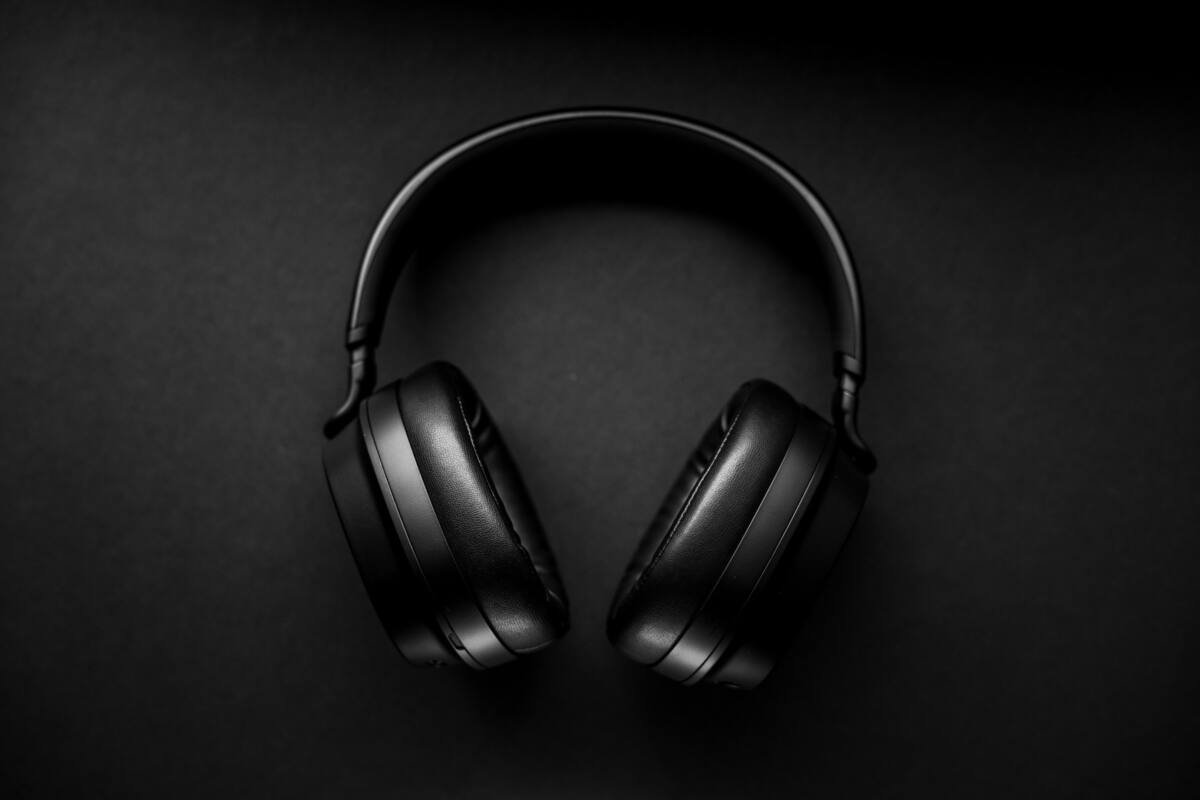
Featured image: Photo by Jason Leung on Unsplash.
No comments yet. Be the first to share your thoughts below.